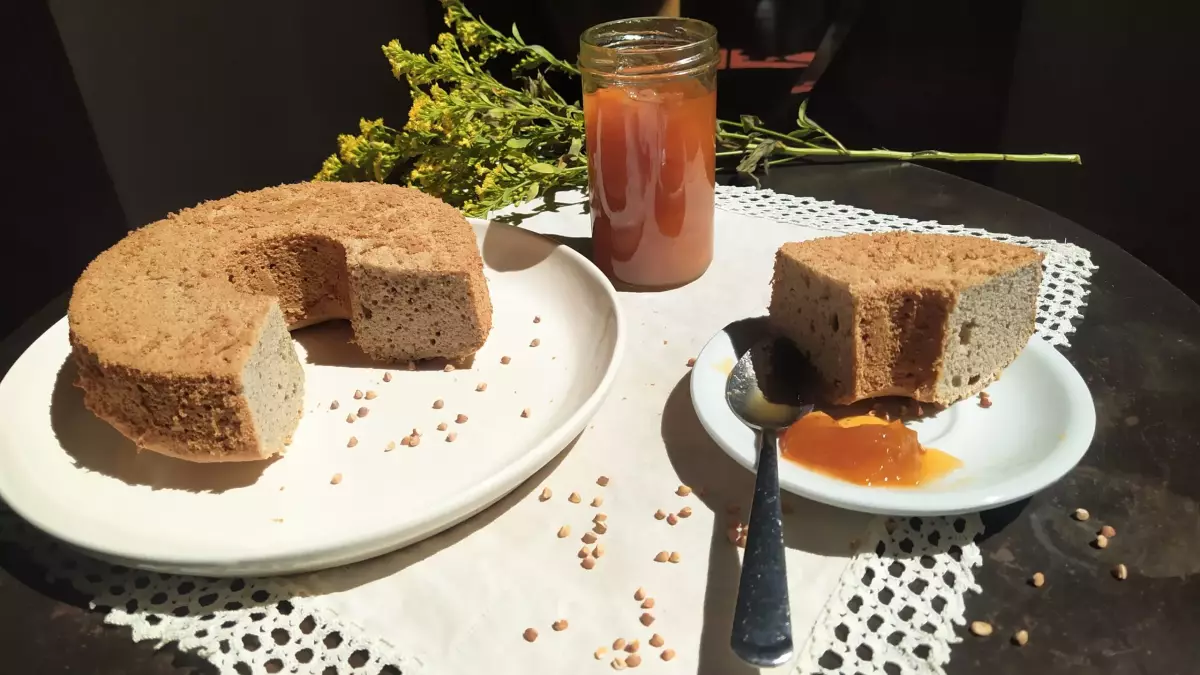
(From Practical Kitchen by Olha Franko) Buckwheat legumina is a variation of the Chiffon Cake. It gets its name from its light, airy texture, reminiscent of fine, delicate fabric. The inventor of this recipe is considered to be Harry Baker, whose 1927 recipe was kept secret for twenty years before he sold it to General Mills…
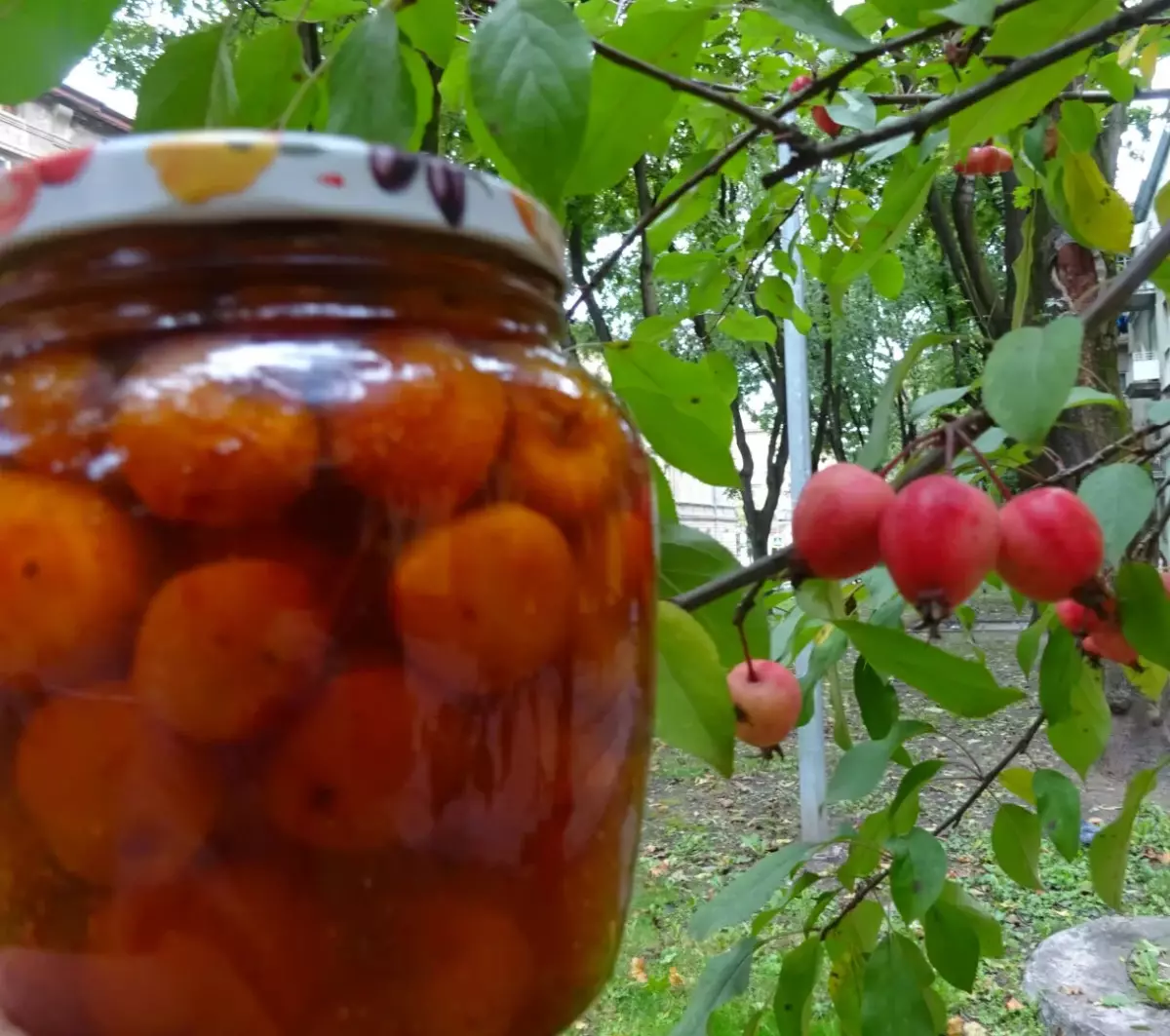
(From Olha Franko's book "Practical Kitchen") My grandmother Olha made a wonderfully delicious crab apple preserve. We had a lovely garden, but those little apples didn't grow there. Not far from us lived an elderly Polish woman whom we were a little afraid of, and in her yard grew a magnificent small tree with long branches sweeping all the way down to the ground…
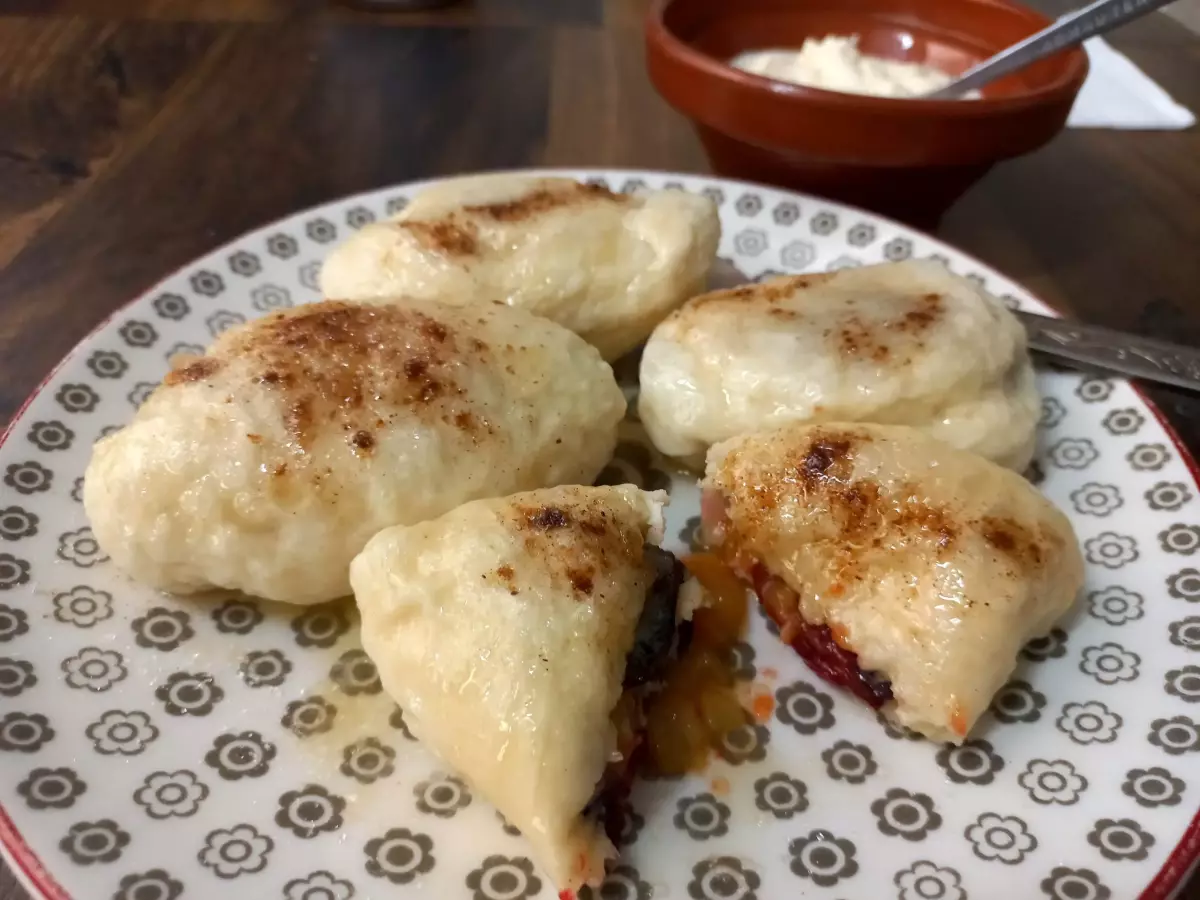
(From Olha Franko's book <em>Practical Kitchen</em>) Plum Knödel is a dish of Austrian, Hungarian, and Czech cuisine. The name "Knödel" comes from the Latin <em>nudel</em>, meaning "knot." During the 18th and 19th centuries, the influence of Bohemian cuisine on Austrian cooking became clearly apparent, and many Bohemian cooks brought their recipes to Vienna…
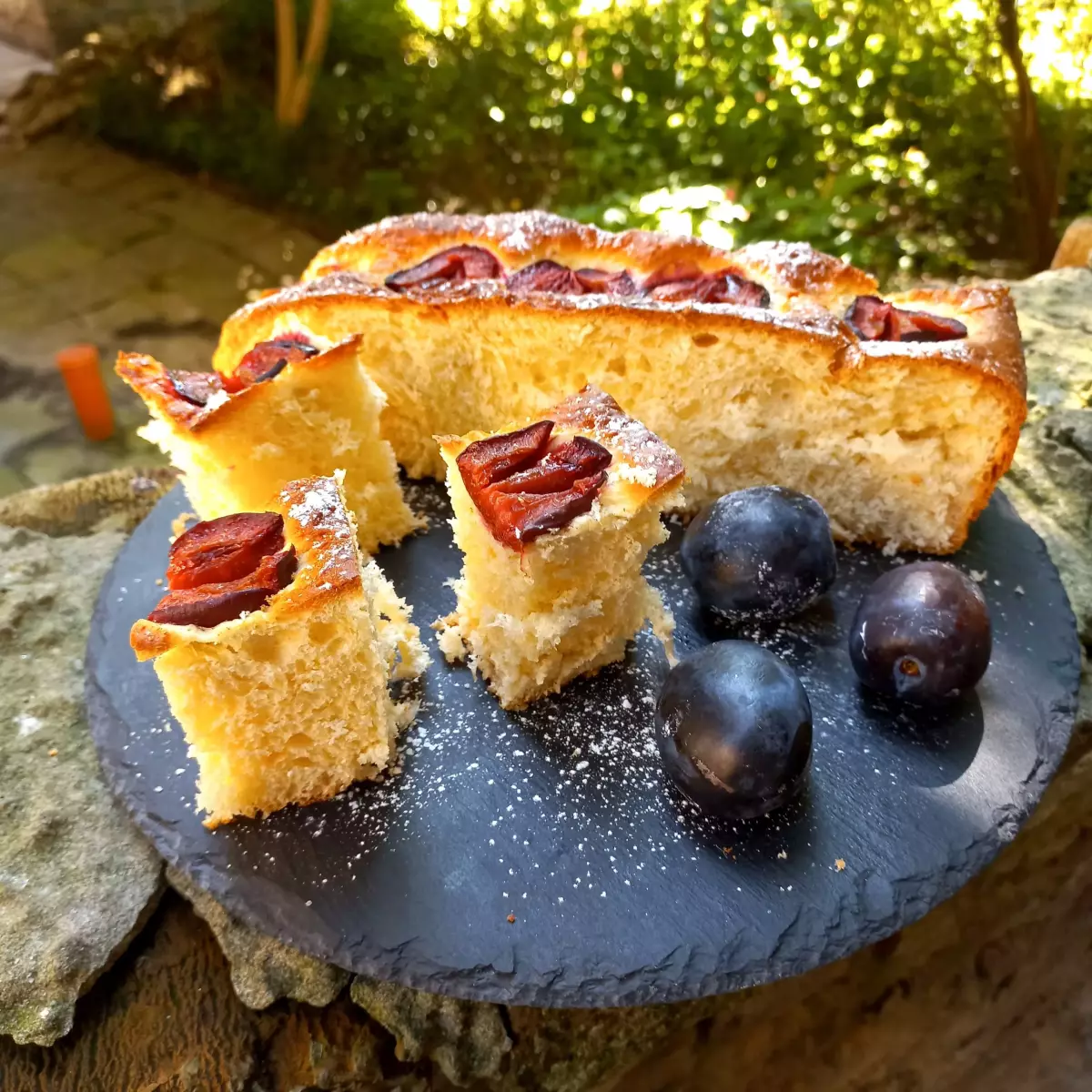
From Olha Franko's culinary notebook — Ingredients — Preparation
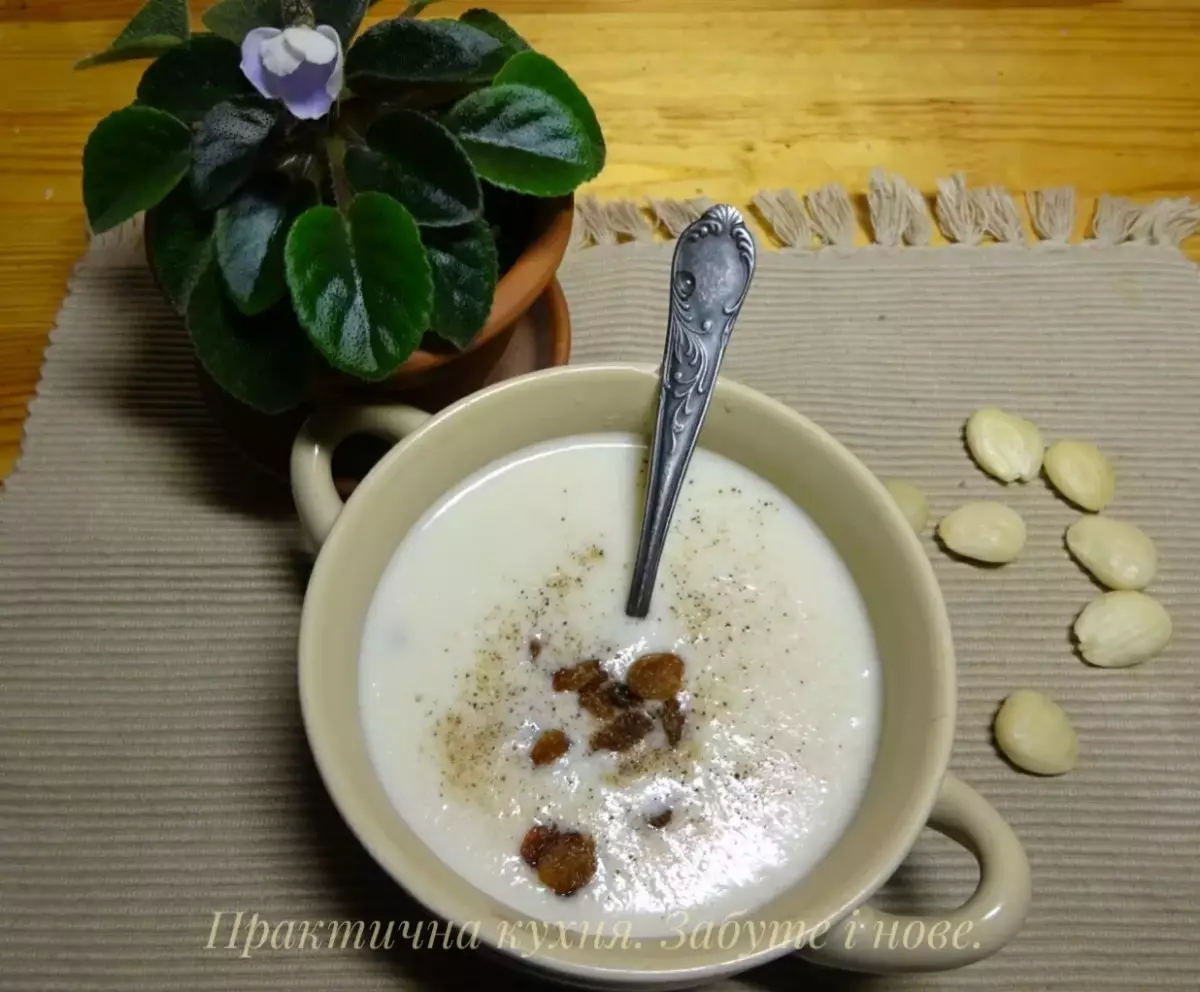
(From Olha Franko's book Practical Kitchen) Almond soup has been unjustly forgotten for more than 100 years. It is difficult to say in which country this cream soup was first prepared, but we observe that at roughly the same time, at Christmas, an almond cream soup was made as a symbol of prosperity and well-being. In Spain, renowned for its almond tree plantations…
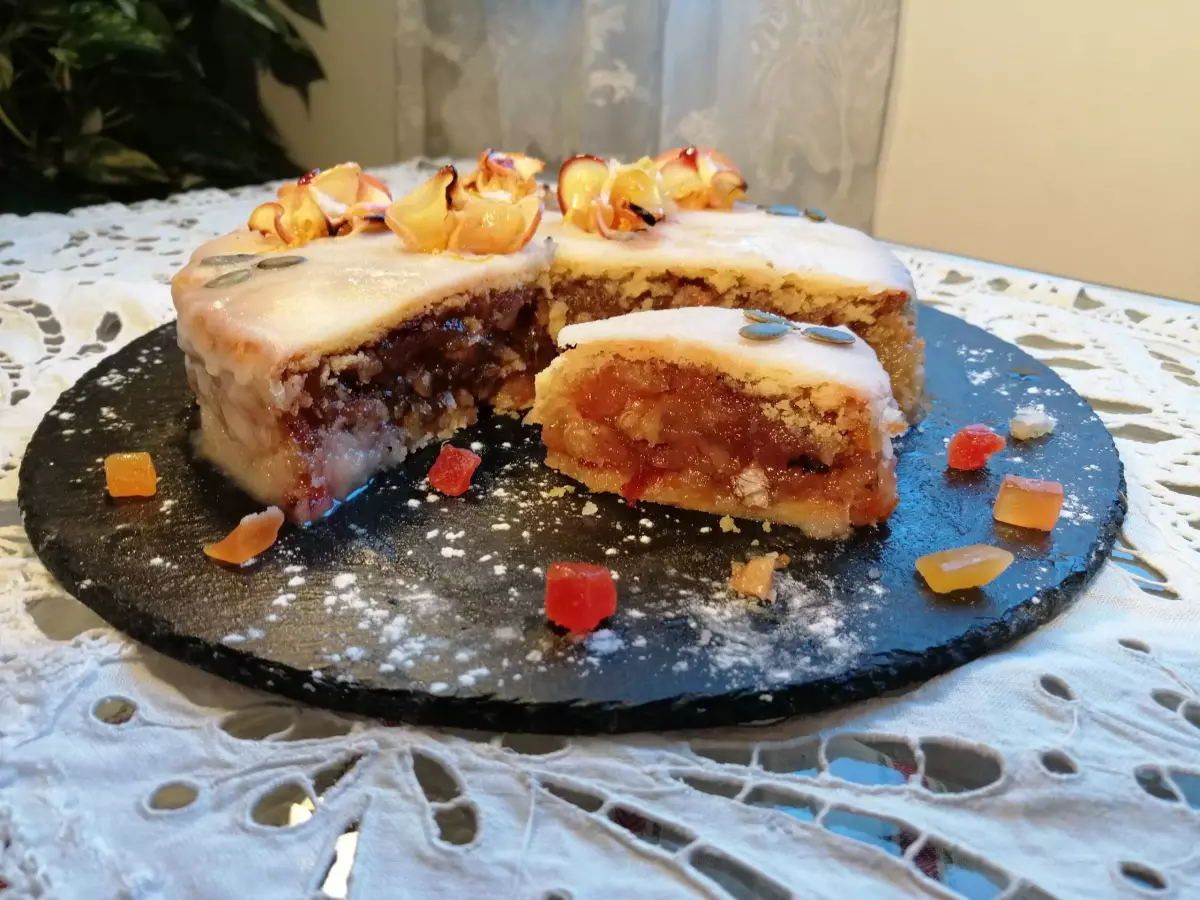
Transcribed from Olha Franko's notebook. I remember very little of my great-grandmother Olha Bilevych (née Bazylevych, 1862–1958). In the last years of her life, my grandmother (Olha Franko) visited her mother every single day, caring for the elderly woman with great tenderness. So as not to leave me alone at home, my sister was already going to school by then, grandmother would take me along with her…
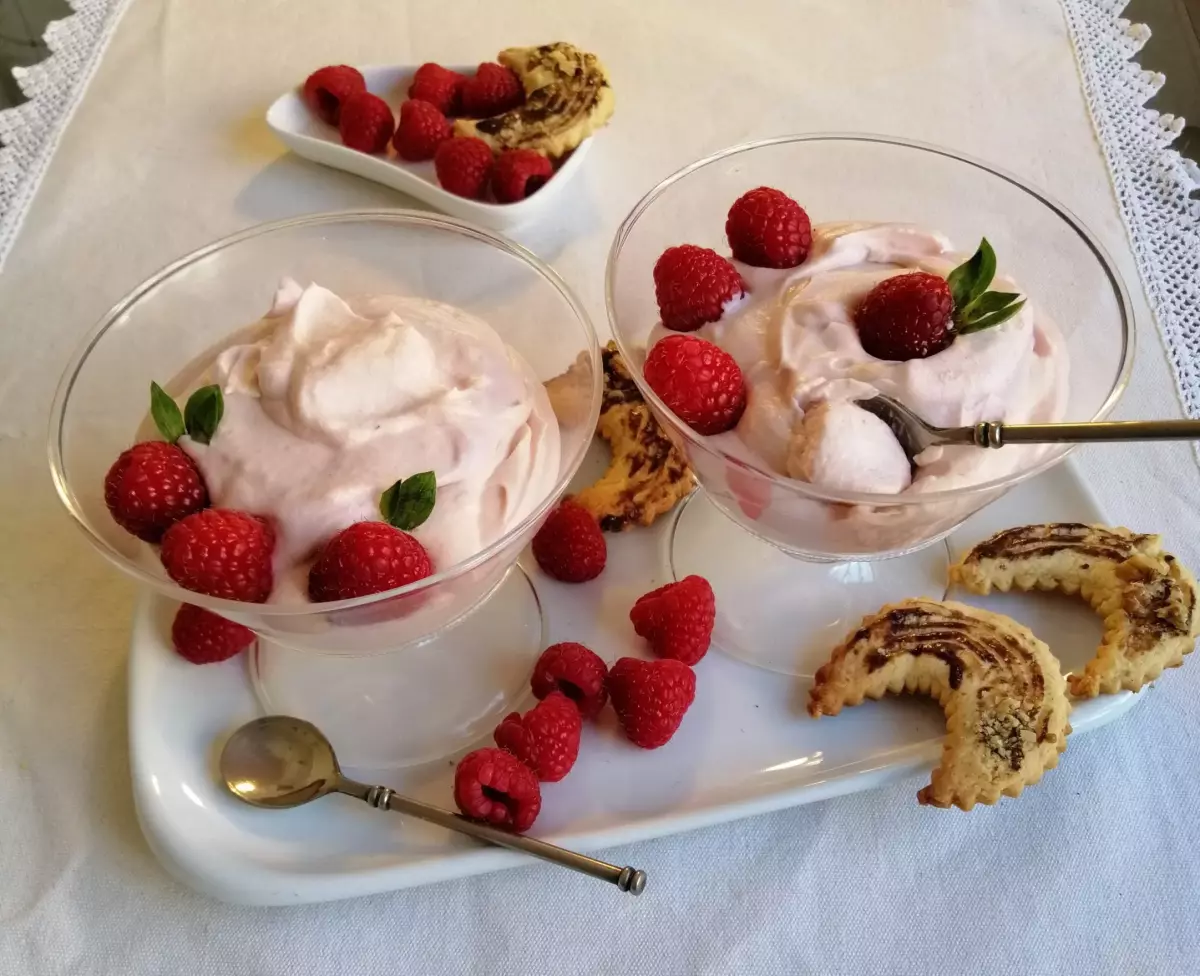
(From Olha Franko's book "Practical Kitchen") Turkish kysil is a variety of milk pudding popular in Muslim countries, where it is known as "Muhallebi." This name was coined by the Arab general Al-Muhallab Ibn Abi Sufra. The recipe for this dessert was found in an ancient Islamic cookbook from Andalusia, noting it was prepared as early as the 7th century, and also in the world's oldest Arab cookbook, the "Kitab al-Habikh."
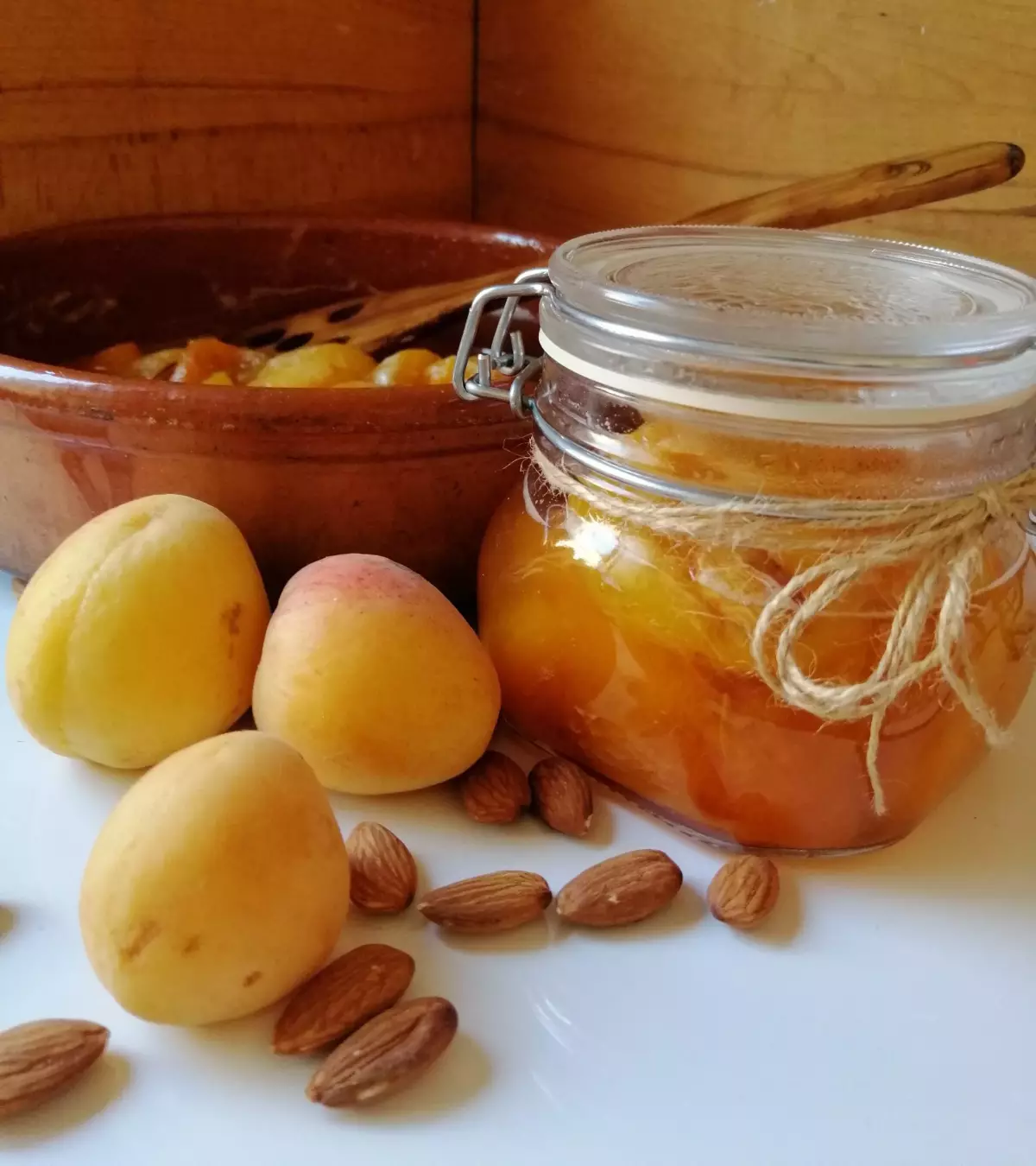
(From Olha Franko's book "Practical Kitchen") Our little garden was full of fruit trees, and our grandmother would put up all manner of preserves and marmalades. Apples and plums she would pack into clay pots and bake them in the oven. Come winter, she always had something to spread on bread, or to serve with crêpes, biscuits, and cakes…
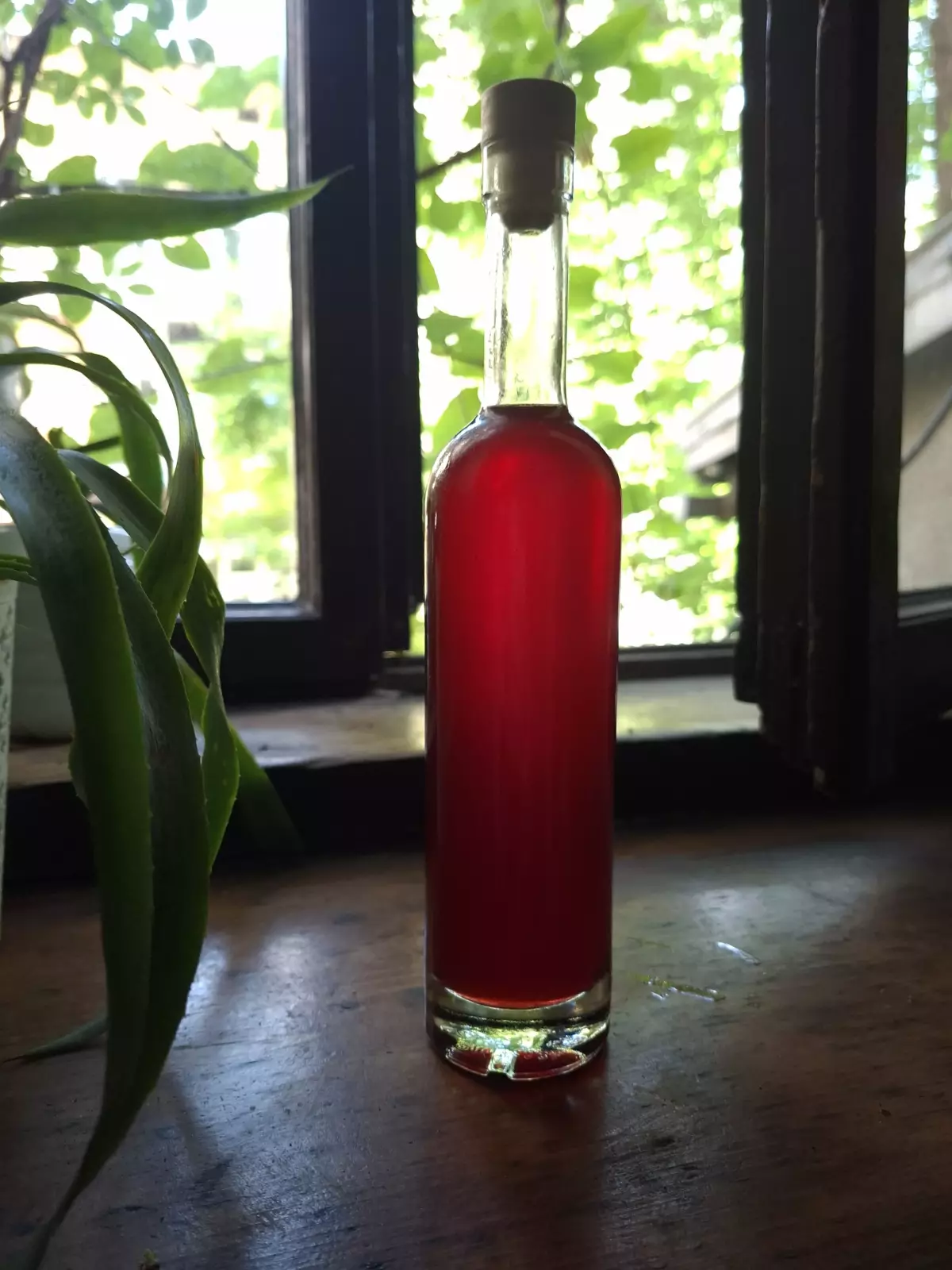
(From Olha Franko's book "Practical Kitchen" 1929) «Take a pot of green gooseberries, crush them in a mortar, press the juice through a loose cloth and pour it over the rose petals until they are all submerged in the juice…» Today this description sounds almost like poetry. )) Green gooseberry juice was infused with rose petals, then cooked with sugar into a fragrant syrup…
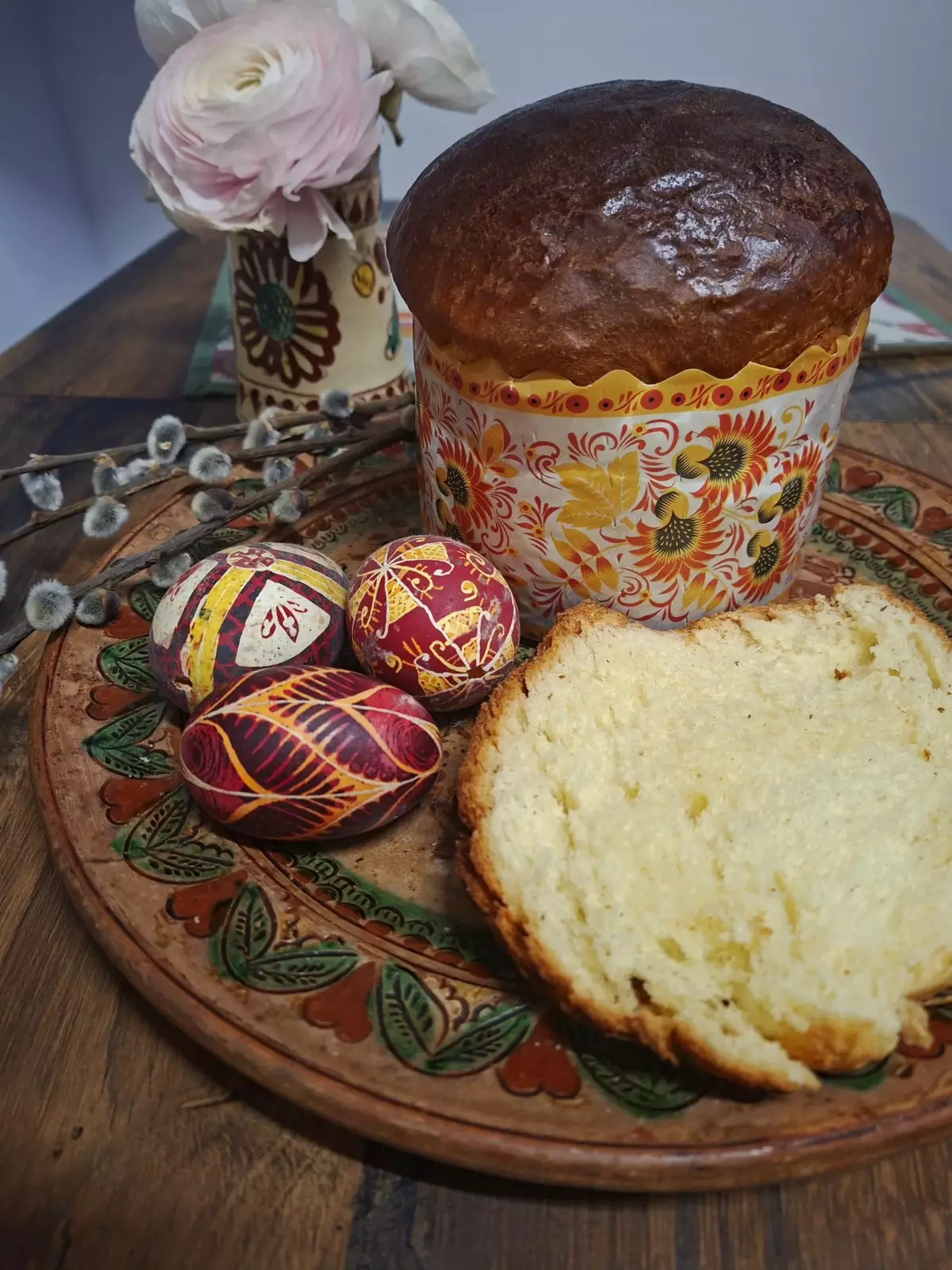
(From Olha Franko's book Practical Kitchen, 1929) Ingredients Preparation
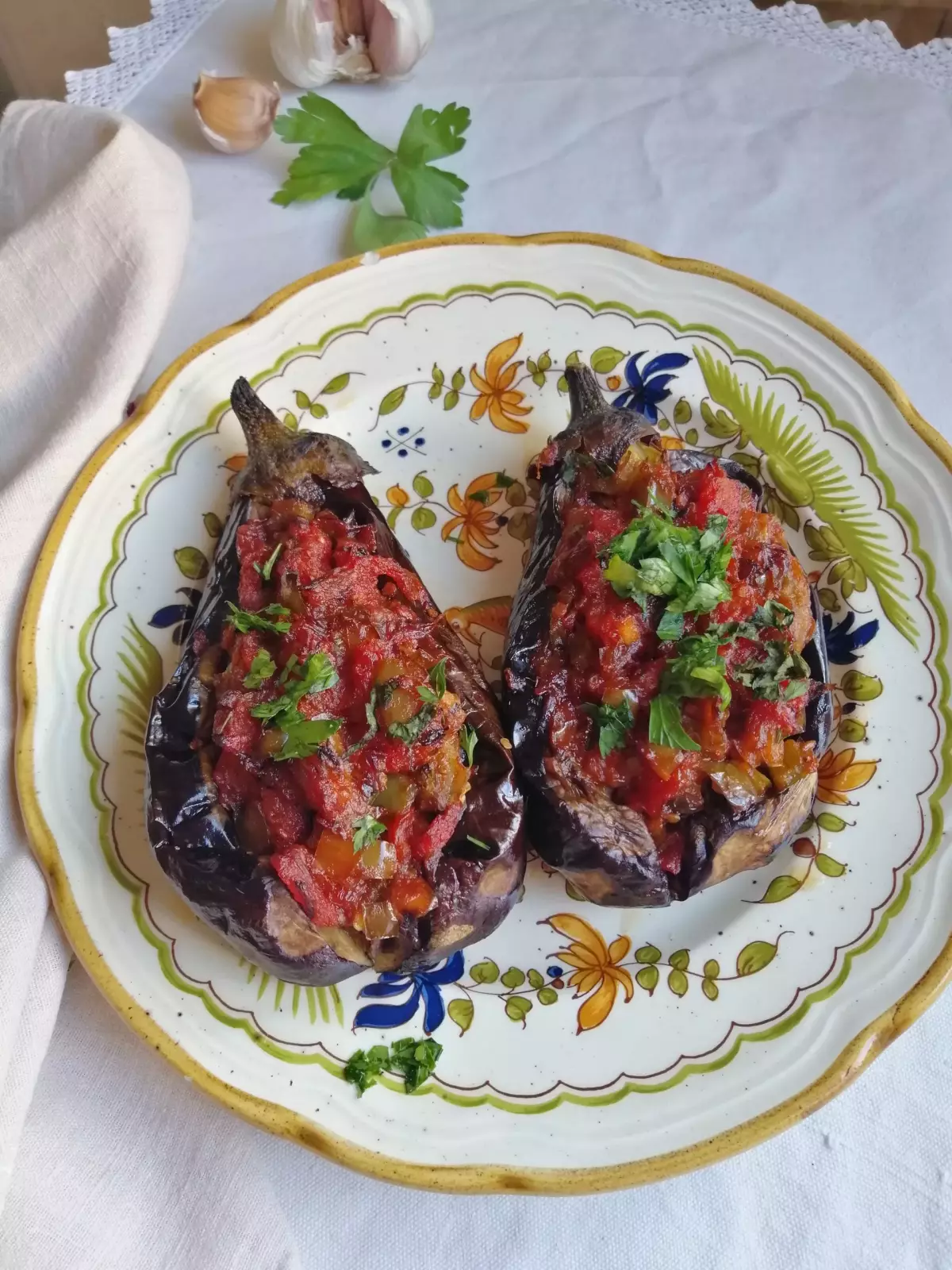
(From Olha Franko's book <em>Practical Kitchen</em>, 1929) A Garden Novelty. In autumn, when the shelves in the shops bow under the weight of all manner of fruits and vegetables, we spot among the produce a dark purple, egg-shaped fruit called an aubergine, or in English, an egg-plant. Some of our housewives eye them with suspicion. …
(From Olha Franko's book "Practical Kitchen", 1929) "Before I was born, the family called Olha Franko simply Baba — with a capital B, no less. From my mother (Ivanna Milianchuk) and from Baba Vira (Franko), you would often hear: 'We must call Baba, visit her, bring her something, ask her.' With great respect …