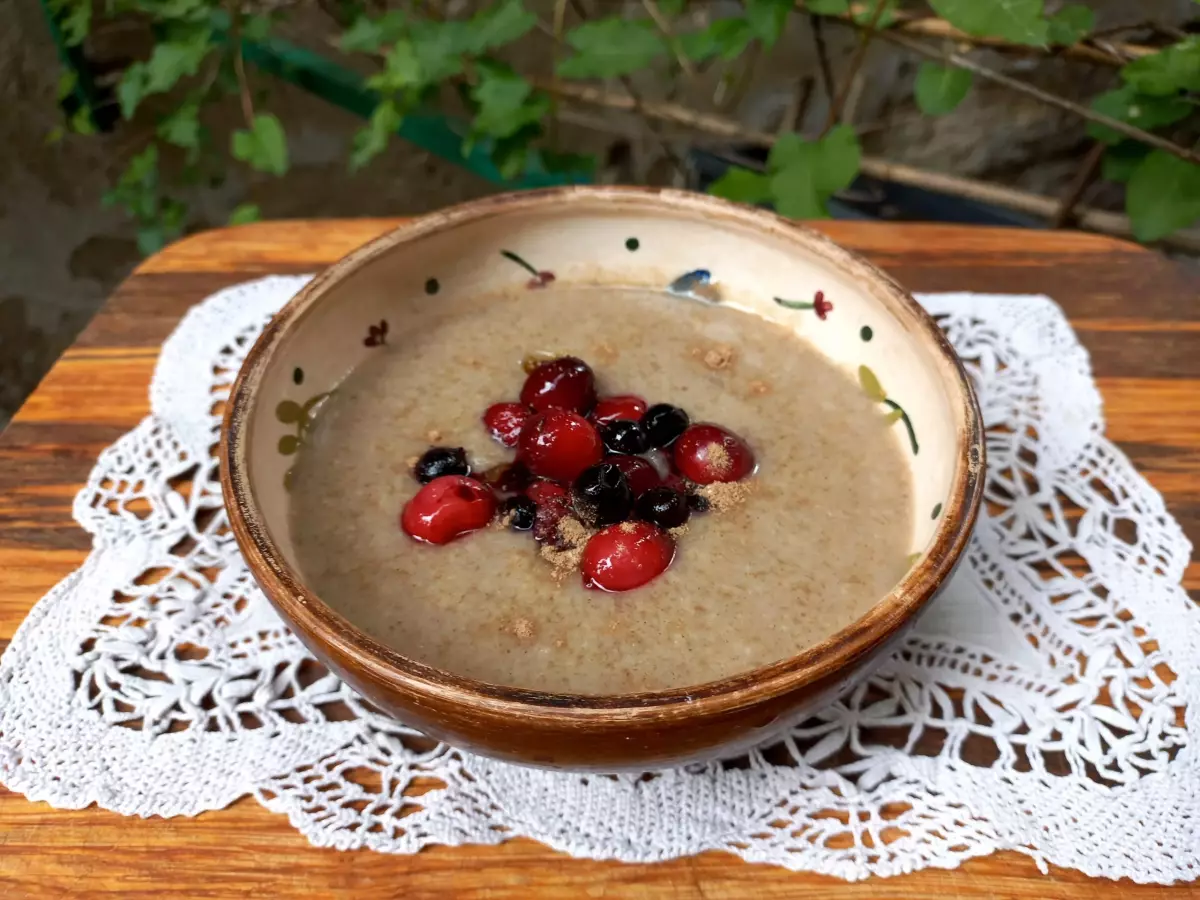
(From Olha Franko's book "Practical Kitchen", 1929) Olha-Maria Franko was the youngest daughter of the priest Teodor Bilevych and Olha née Bazylevych. Dziunya, as the child was affectionately called, was born in the village of Vyriv in the Kamyanets district (now the Kam'yanka-Buzka district of Lviv Oblast) on July 23, 1896. Grandmother loved to recall…
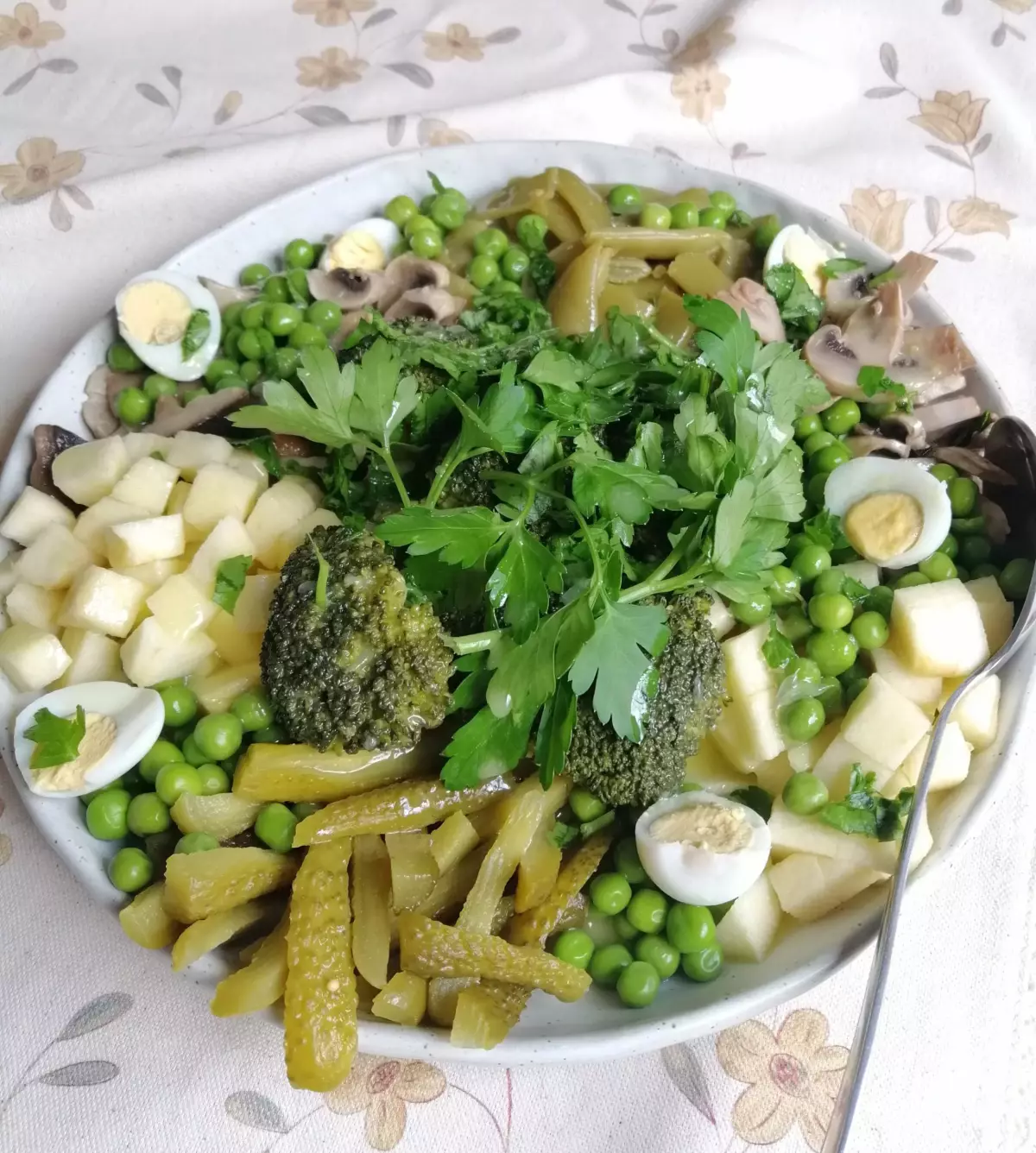
(From Olha Franko's book "Practical Kitchen", 1929) In the preface to "Practical Kitchen", Petro Franko writes: "We eat in order to live, although a great many people do the opposite and make a kind of sport out of eating. A great deal depends on nourishment: industriousness, contentment, joy…
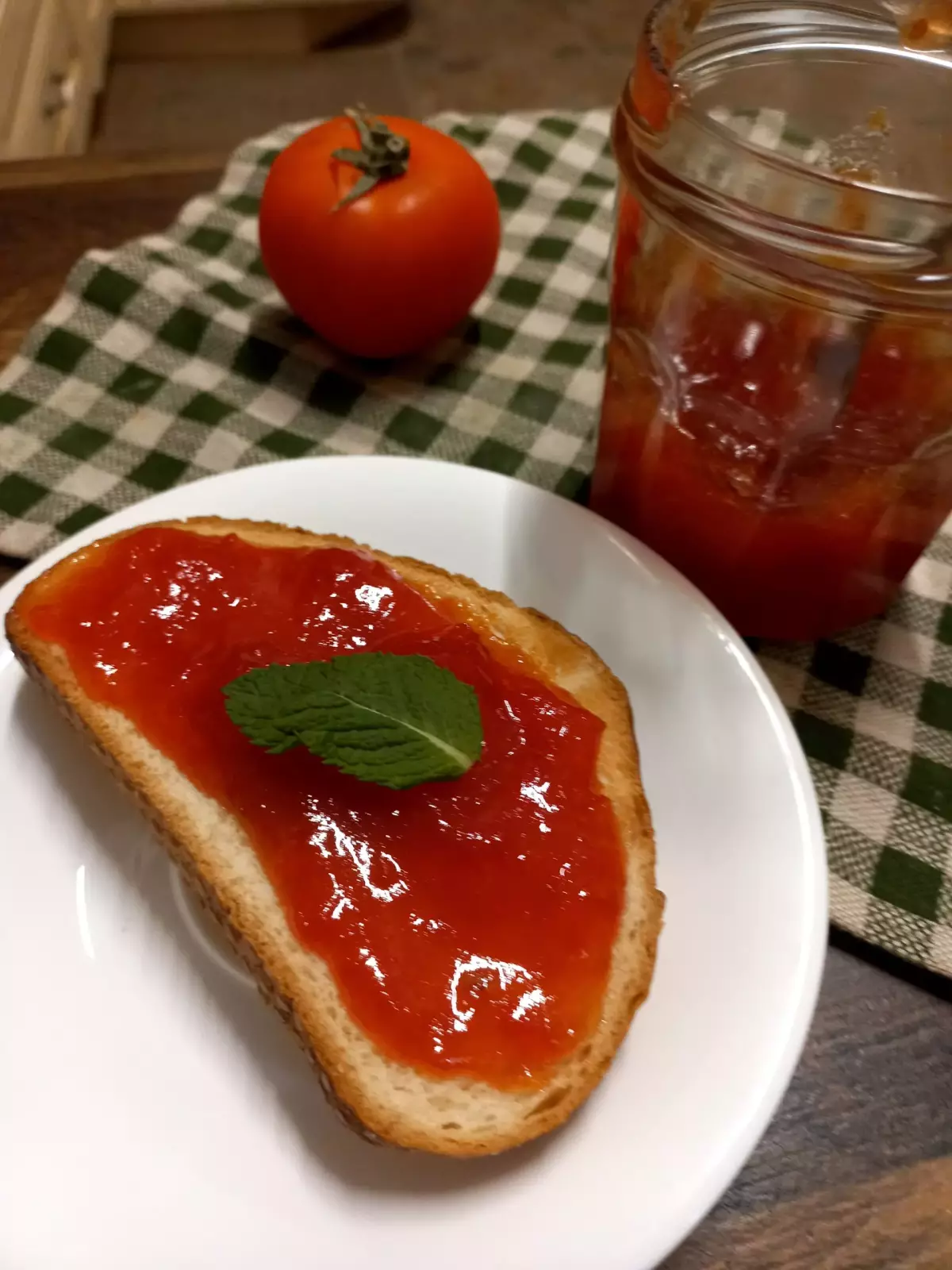
(From the book by Olha Franko "Practical Kitchen" 1929) In the American South, at the end of the 19th and the beginning of the 20th century, tomato jam became enormously popular. People in these regions were searching for ways to preserve tomatoes in summer, when they were plentiful. In 1840, in the United States, a recipe was published …
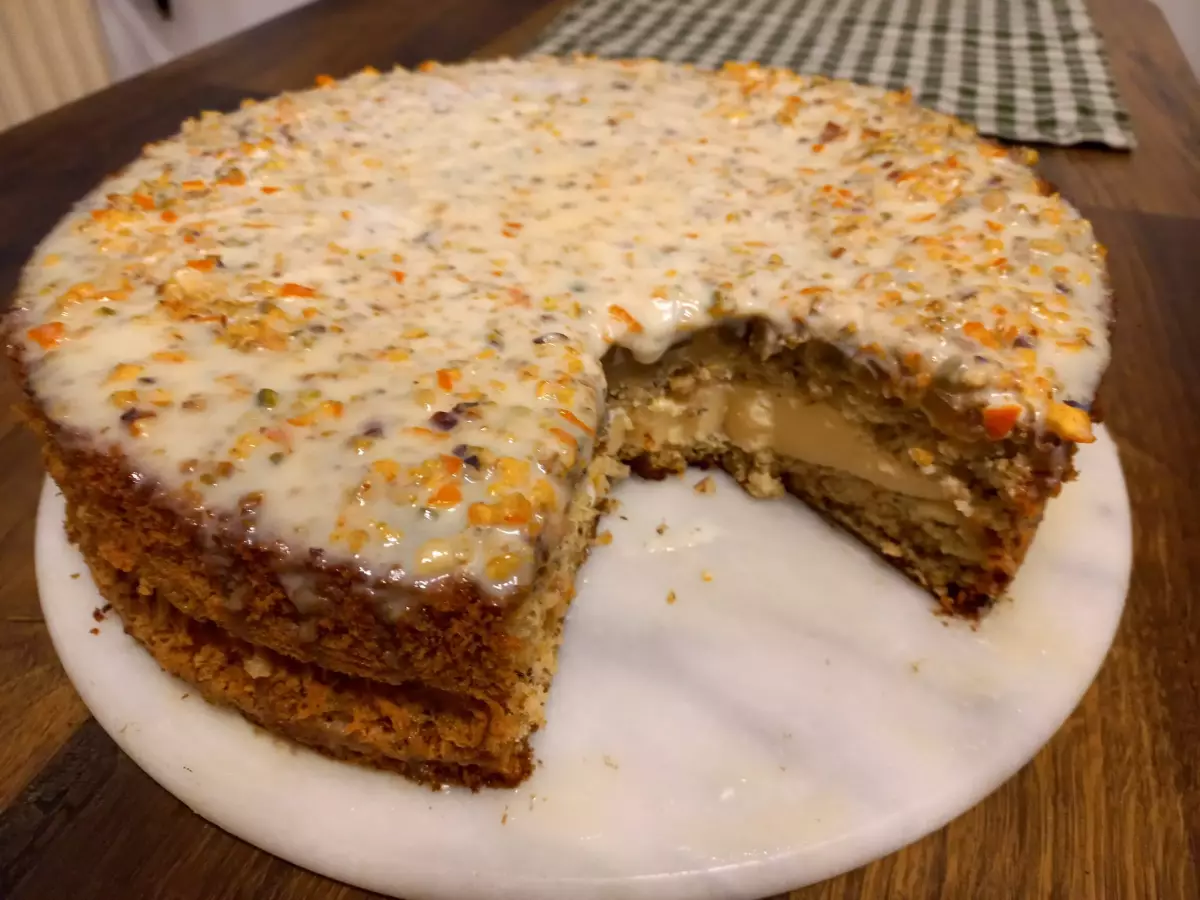
(From Olha Franko's <em>Practical Kitchen</em>, 1929) This Victorian pistachio cake is an old German recipe from the 1860s. First published in 1863 in Stuttgart, its original form had just five ingredients: pistachios, almonds, sugar, a generous quantity of eggs, and a little flour. Ingredients Preparation Cream …
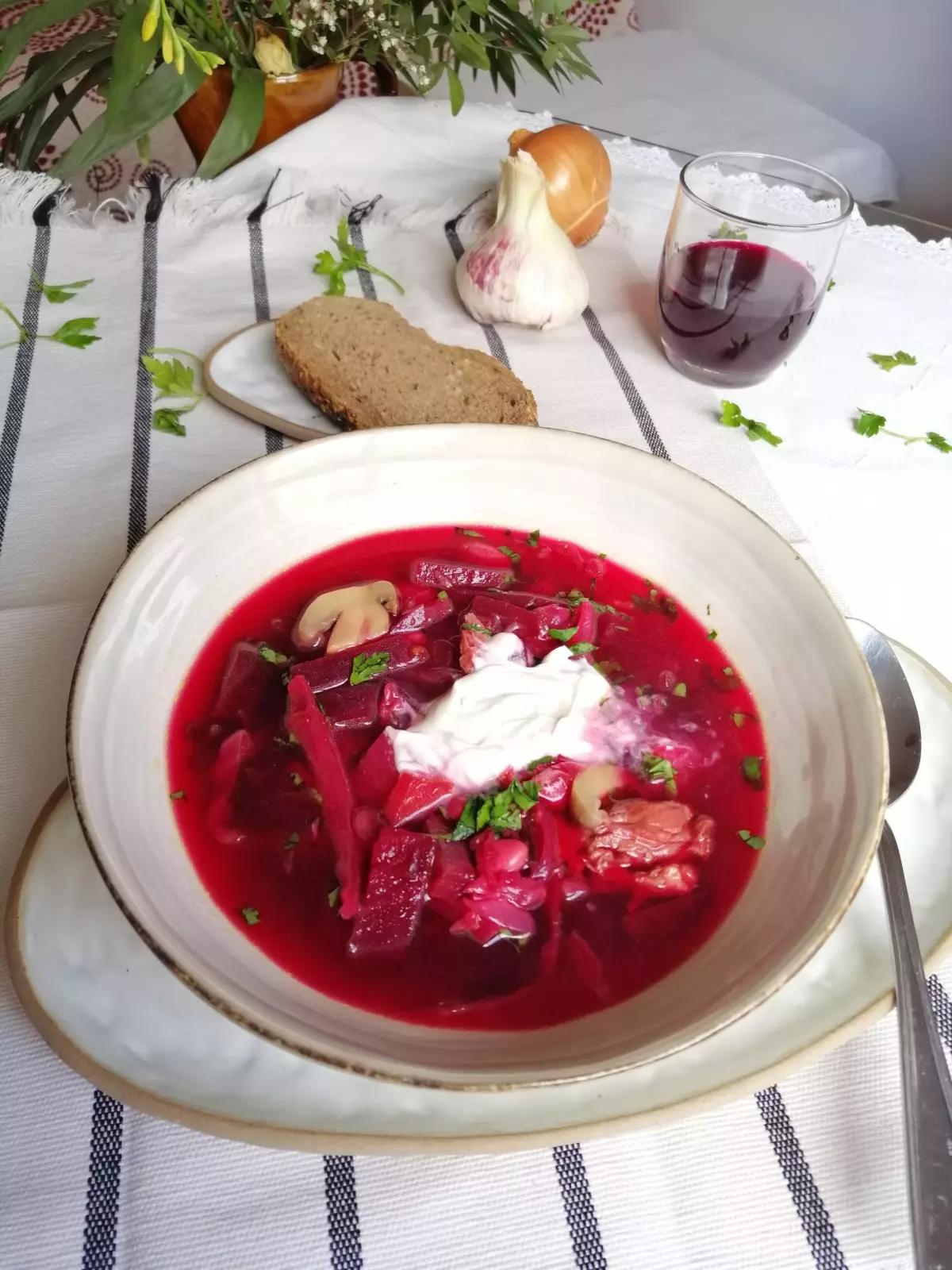
(From Olha Franko's book Practical Kitchen, the first general Ukrainian cookery book, 1929) Ingredients Preparation
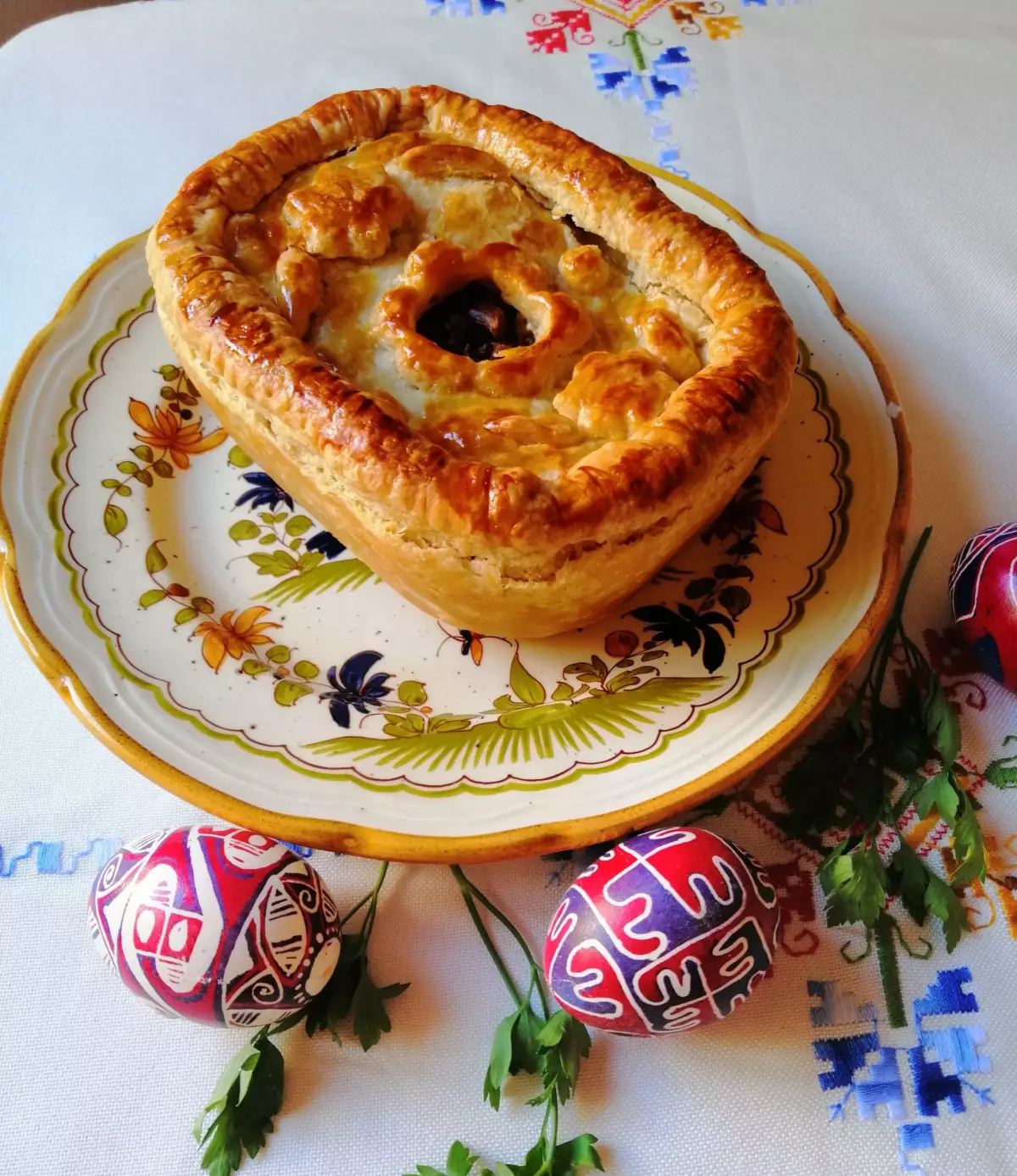
(From Olha Franko's book "Practical Kitchen" 1929) Pâté is quite a popular dish, with origins stretching back to Ancient Rome. Although pâtés have been made since ancient times, they were originally eaten warm as a starter; the crispy pastry crust only appeared in the Middle Ages. At first it was used to improve the cooking …
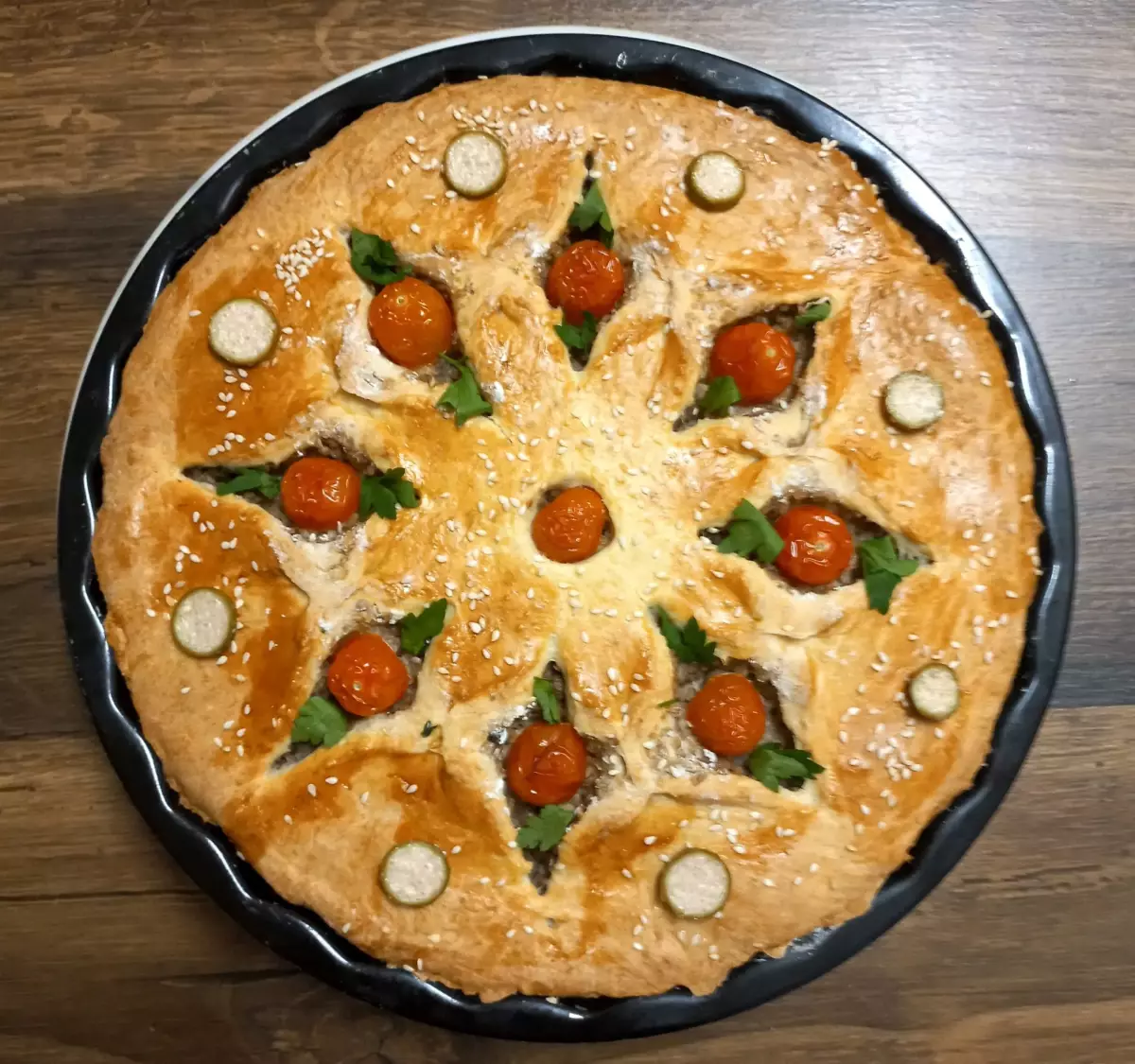
(From Olha Franko's <em>Practical Kitchen</em>, 1929) Kraków kasha is the hulled and finely cracked kernel of buckwheat — the <em>hrechanyi prodil</em>. In southern Poland, buckwheat was once called <em>kasza tatarczana</em>, and its arrival was attributed to the Tatars. The 1926 weekly journal « Społem » noted: "Kraków groats are obtained from the same buckwheat, but finely hulled…"
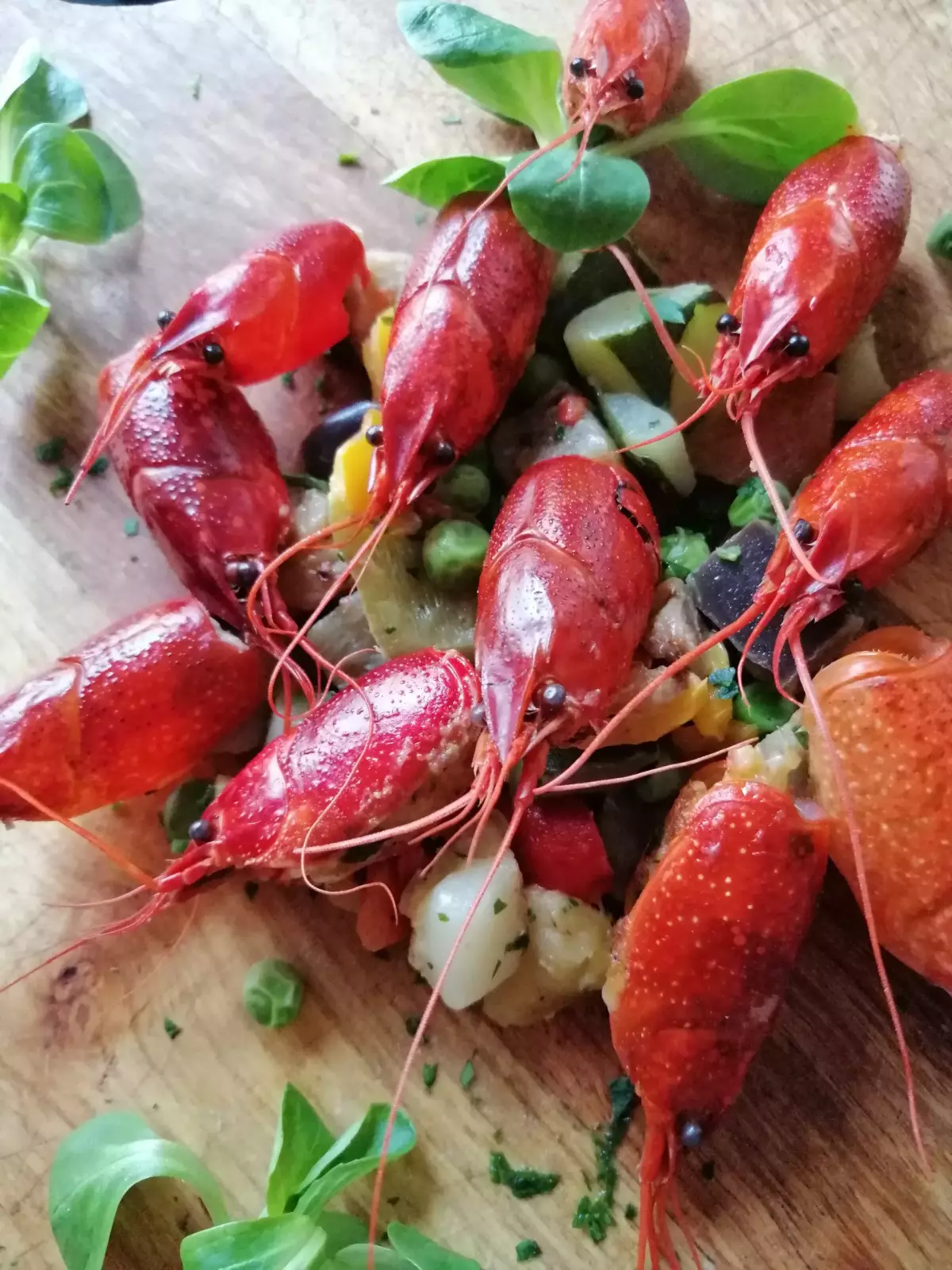
(From Olha Franko's book Practical Kitchen, 1929) Crayfish dishes have been known since time immemorial. Old recipes mention everything from simply boiled crayfish to fragrant crayfish bisque, or more refined preparations such as «Cardinal» sauce, crayfish pudding, stuffed crayfish, and many others. It is well known that the Swedes are great crayfish enthusiasts…
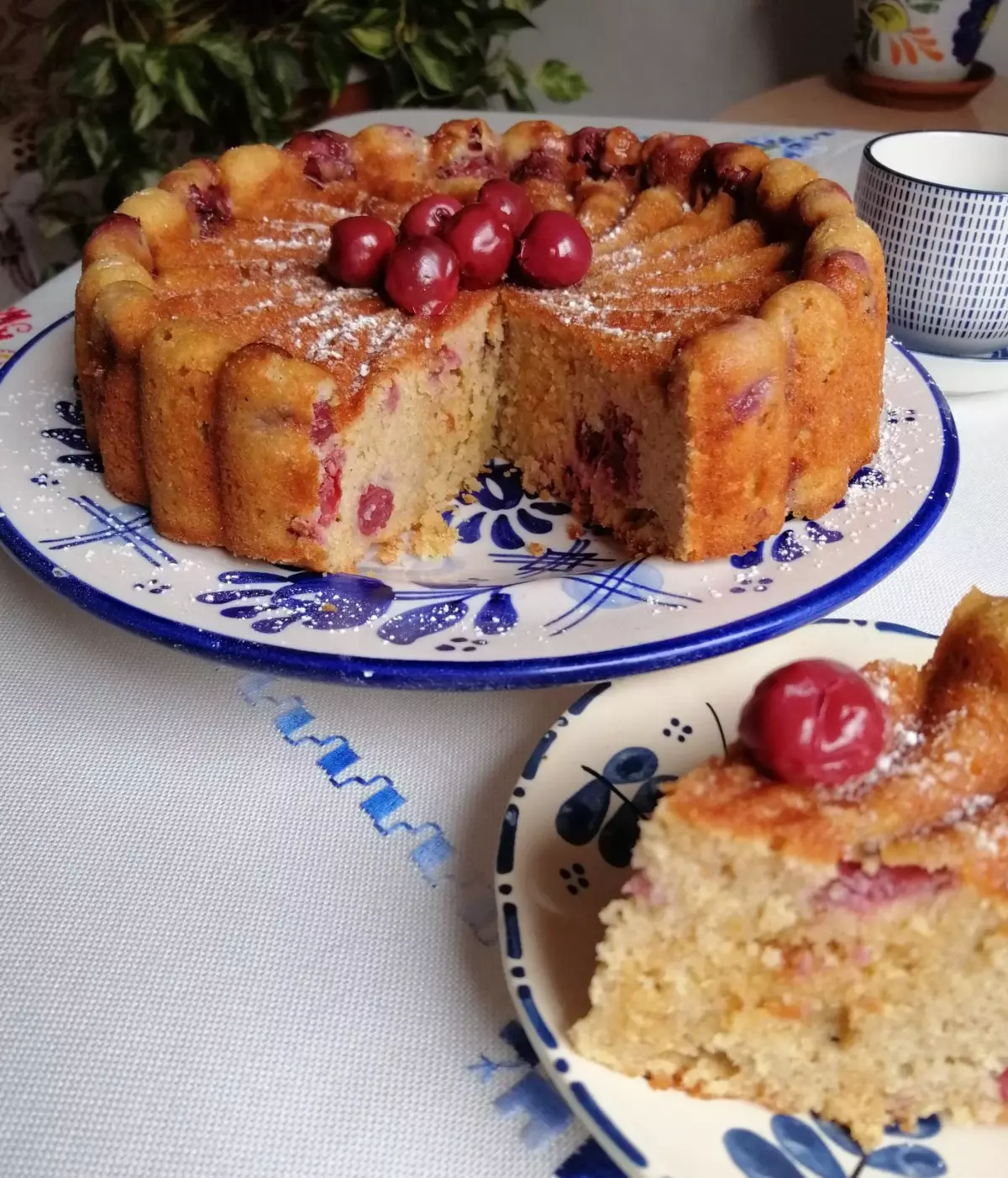
(From Olha Franko's Practical Kitchen, 1929) This is a German cherry cake recipe known as Kirschenmichel or Kirschenplotzer. Widespread in southern Germany, this dessert comes in several versions, most made with stale bread rolls soaked in milk, earning it the name bread pudding as well. It is usually dusted with powdered sugar and served with vanilla custard, whipped cream, or ice cream …
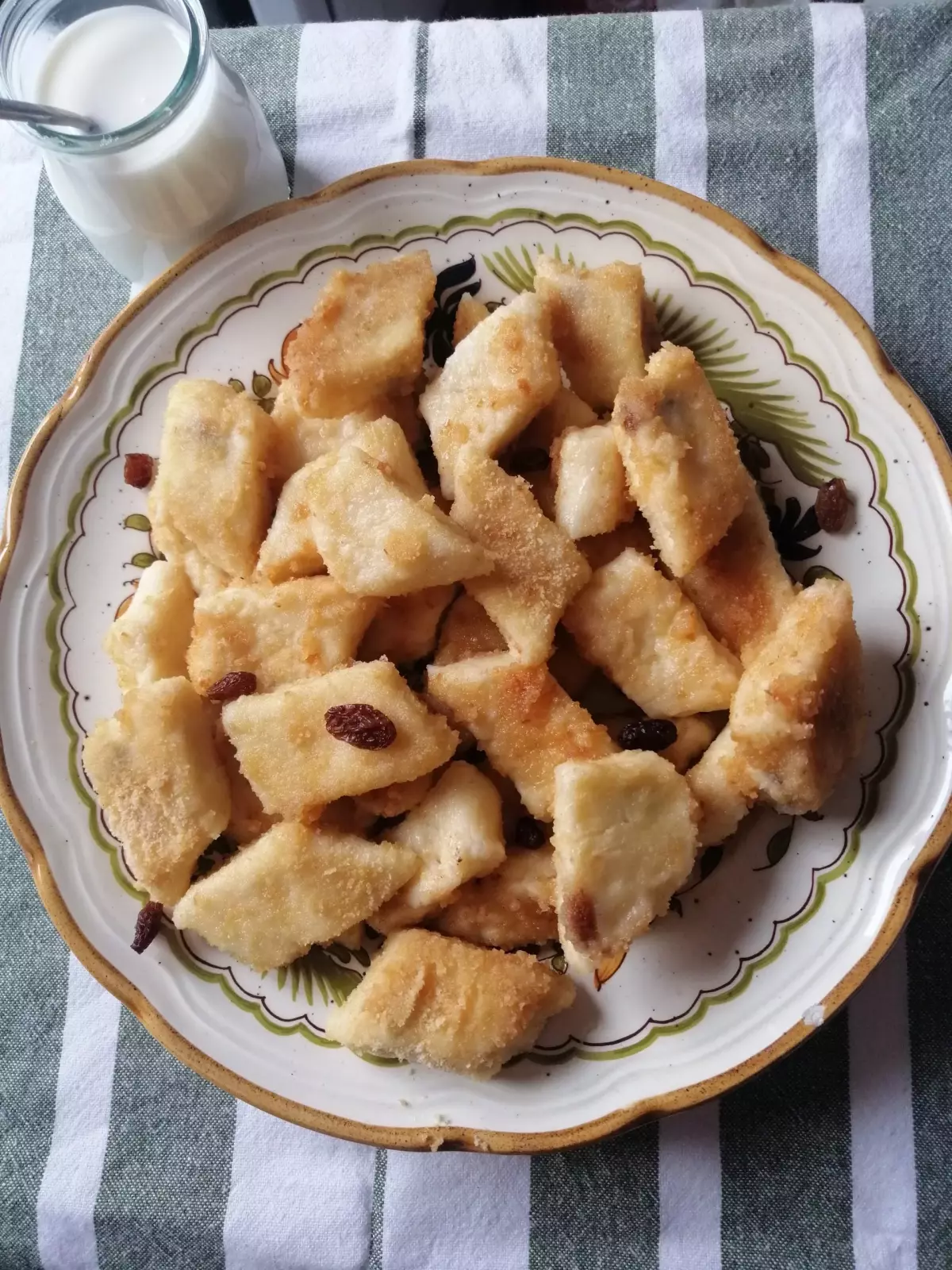
(From <em>Practical Kitchen</em> by Olha Franko, 1929.) Lazy little dumplings are a very ancient dish, preserved in a handwritten collection of recipes from the time of the Grand Duchy of Lithuania, dating back to the 17th century. Why are they called "lazy"? There is a legend about a lazy housewife who did not want to shape varenyky, so she simply mixed the cottage cheese …
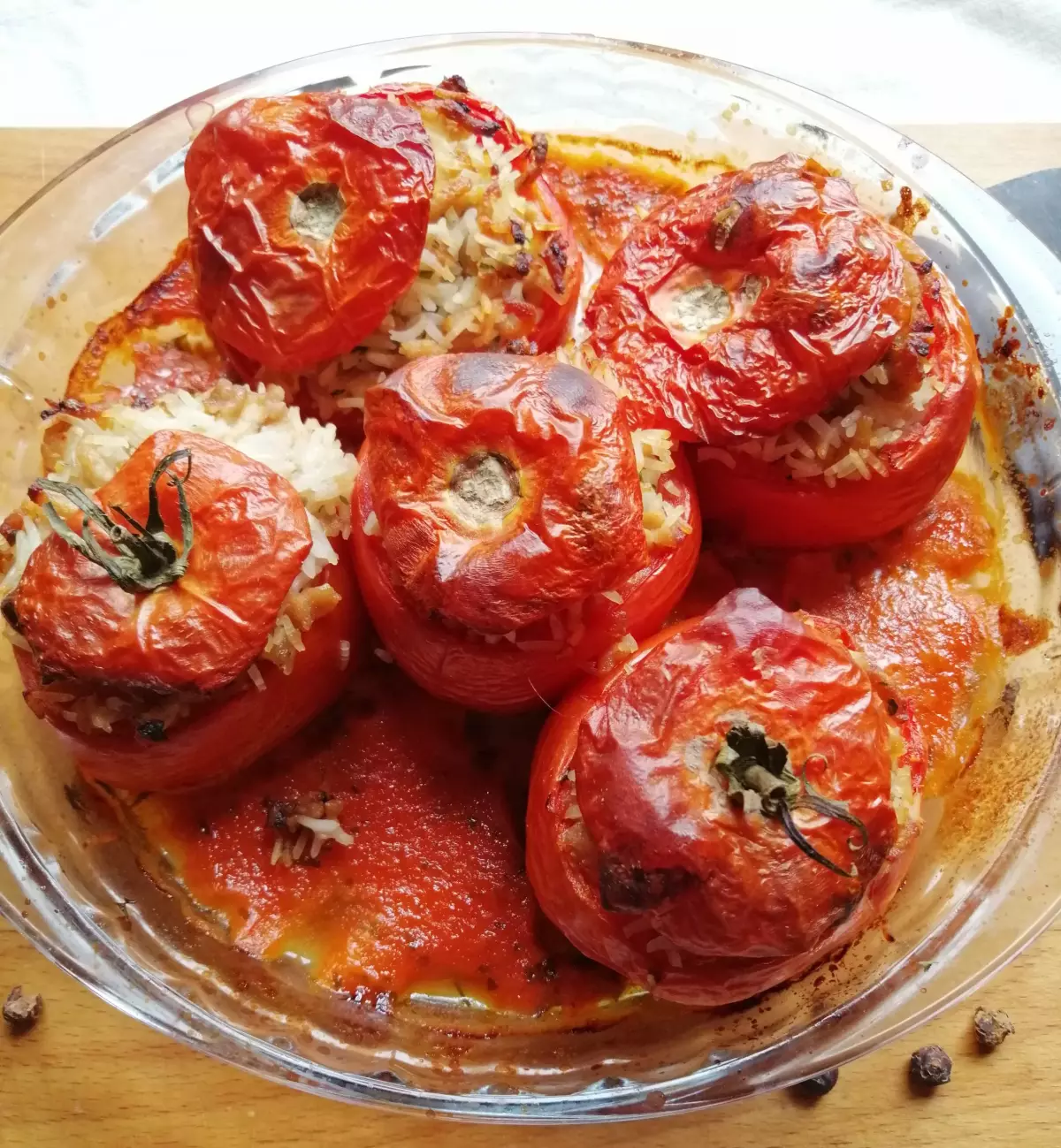
(From Olha Franko's <em>Practical Kitchen</em>, 1929) "Meat-stuffed tomatoes" is a traditional Greek dish known as <em>Gemista</em>. Vegetables — most often tomatoes and peppers — are stuffed with rice and various additions. In the Mediterranean part of Greece, pine nuts and raisins find their way in, while further north, minced beef or pork is far more common …
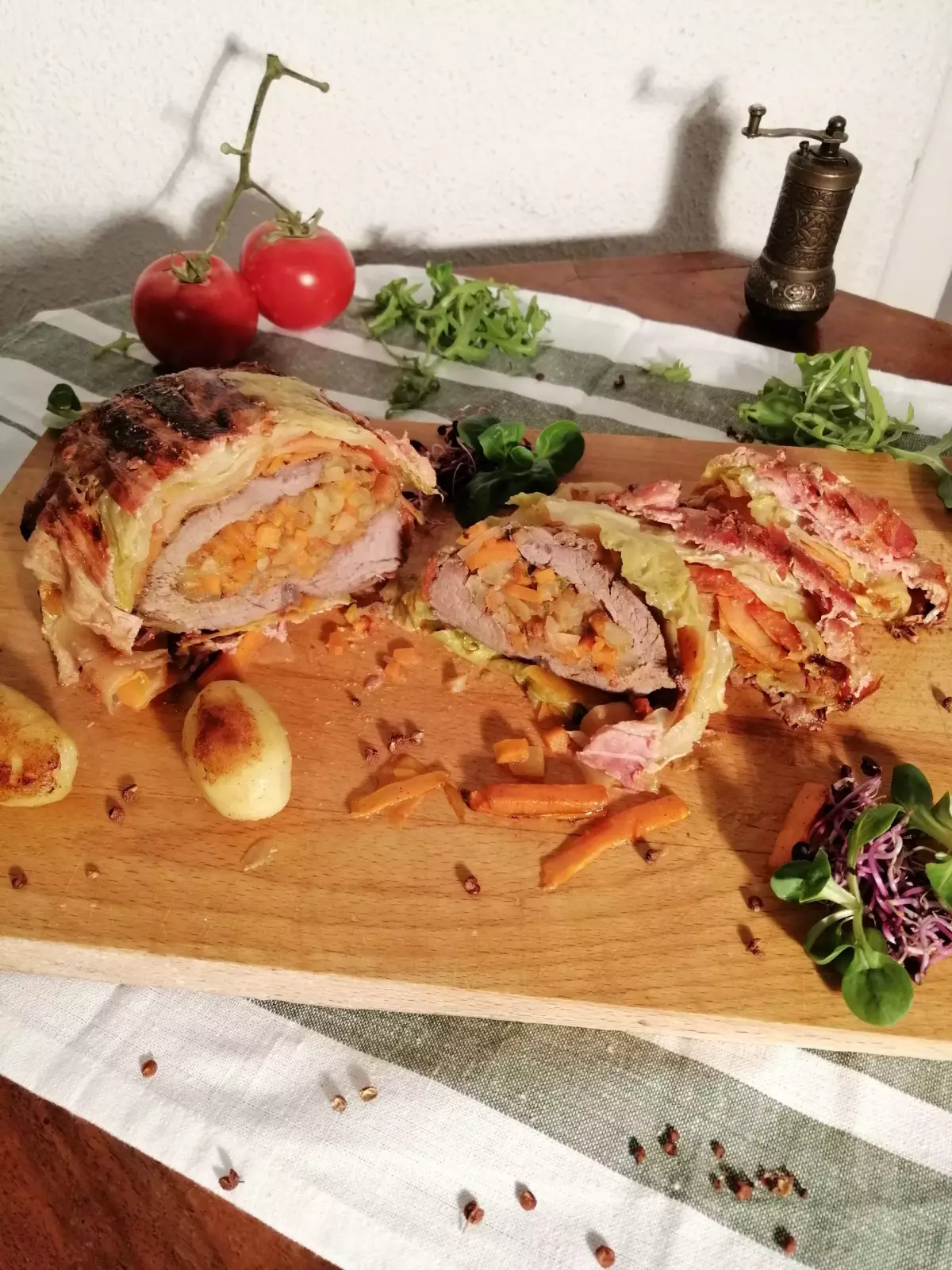
(From Olha Franko's book "Practical Kitchen", 1929) Jean-Baptiste Colbert was a French statesman during the reign of King Louis XIV. He was not a great gourmet, but it was common practice in those days for cooks of prominent families to name dishes in honour of their employers. This is how we came to have two classic preparations …