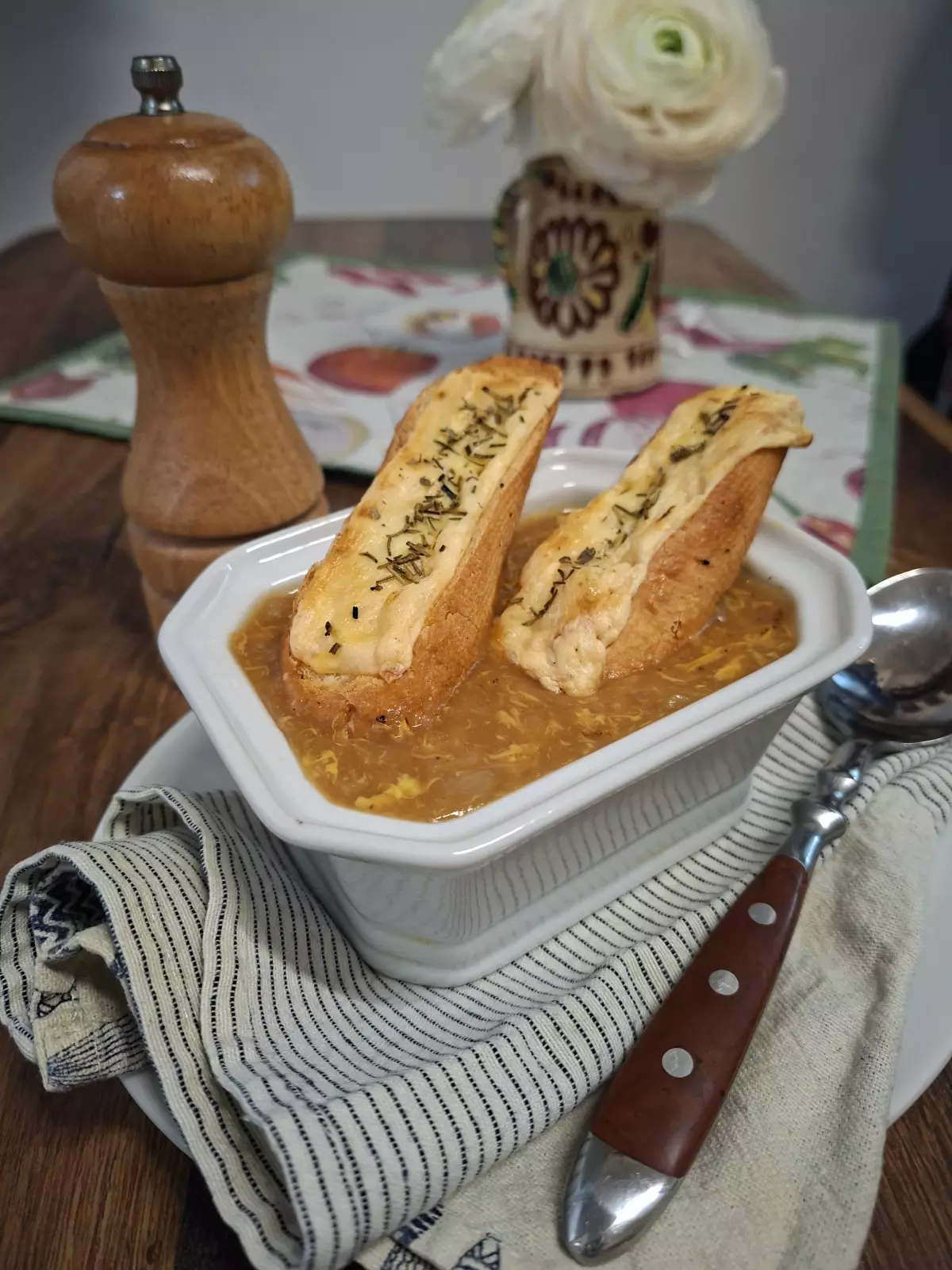
(From Olha Franko's <em>Practical Kitchen</em>, 1929.) Olha Franko, who studied cooking in Vienna, was certainly no stranger to European classics. Her <em>Tsyboulivka</em> is a sophisticated city-dweller's take on the French onion soup, adapted to Galician tastes: no wine, no cheese topping, but beautifully enriched with silky egg yolks and a traditional <em>zaprazhka</em>…
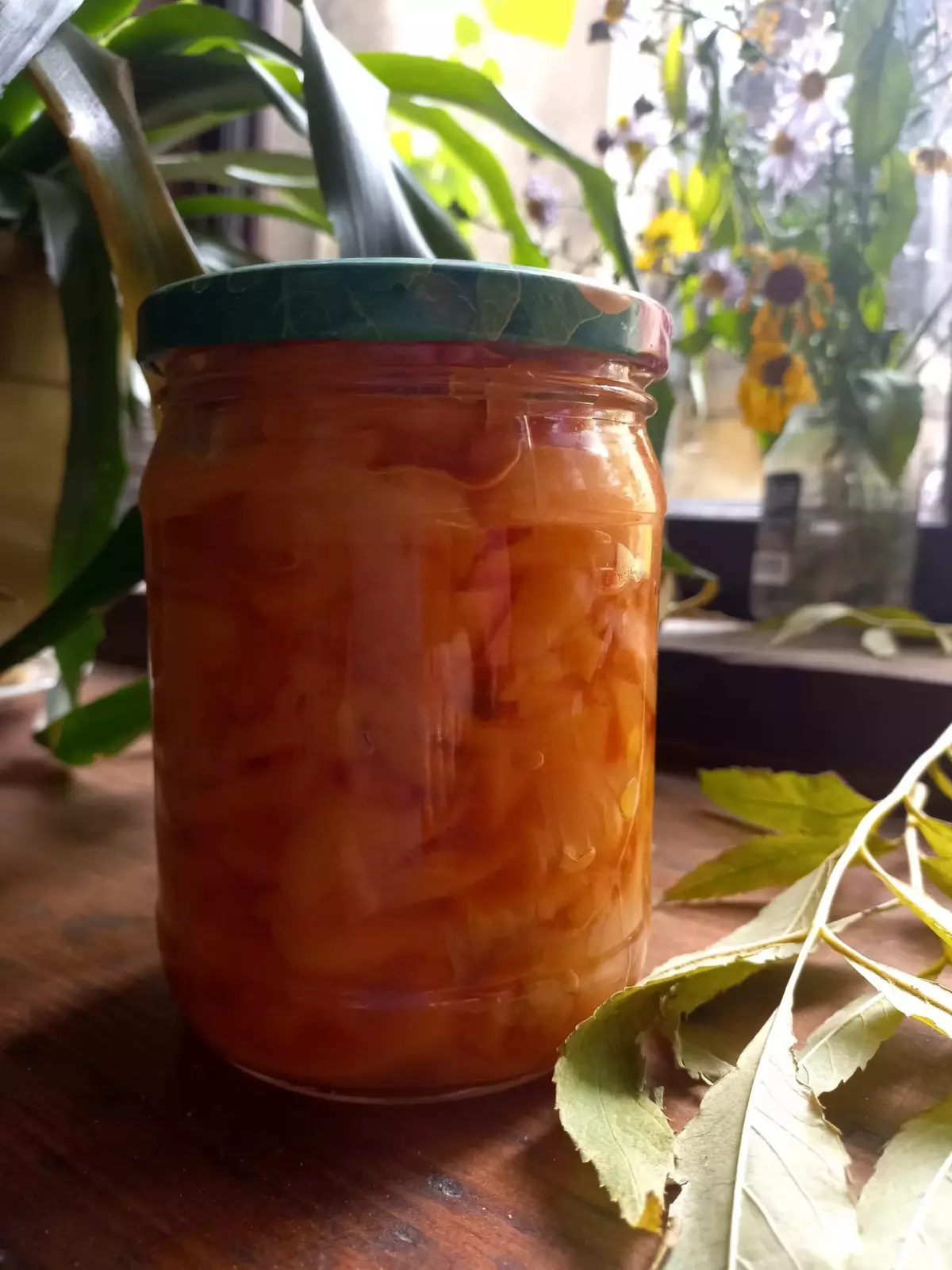
(From Olha Franko's book "Practical Kitchen") The quince – a fruit originating from Cydonia – was for the Greeks the tree of Aphrodite, its fruits cherished as symbols of love. The Romans embraced this tradition, with Venus as its patron. At Roman weddings, it was customary to offer quinces to the newlyweds …
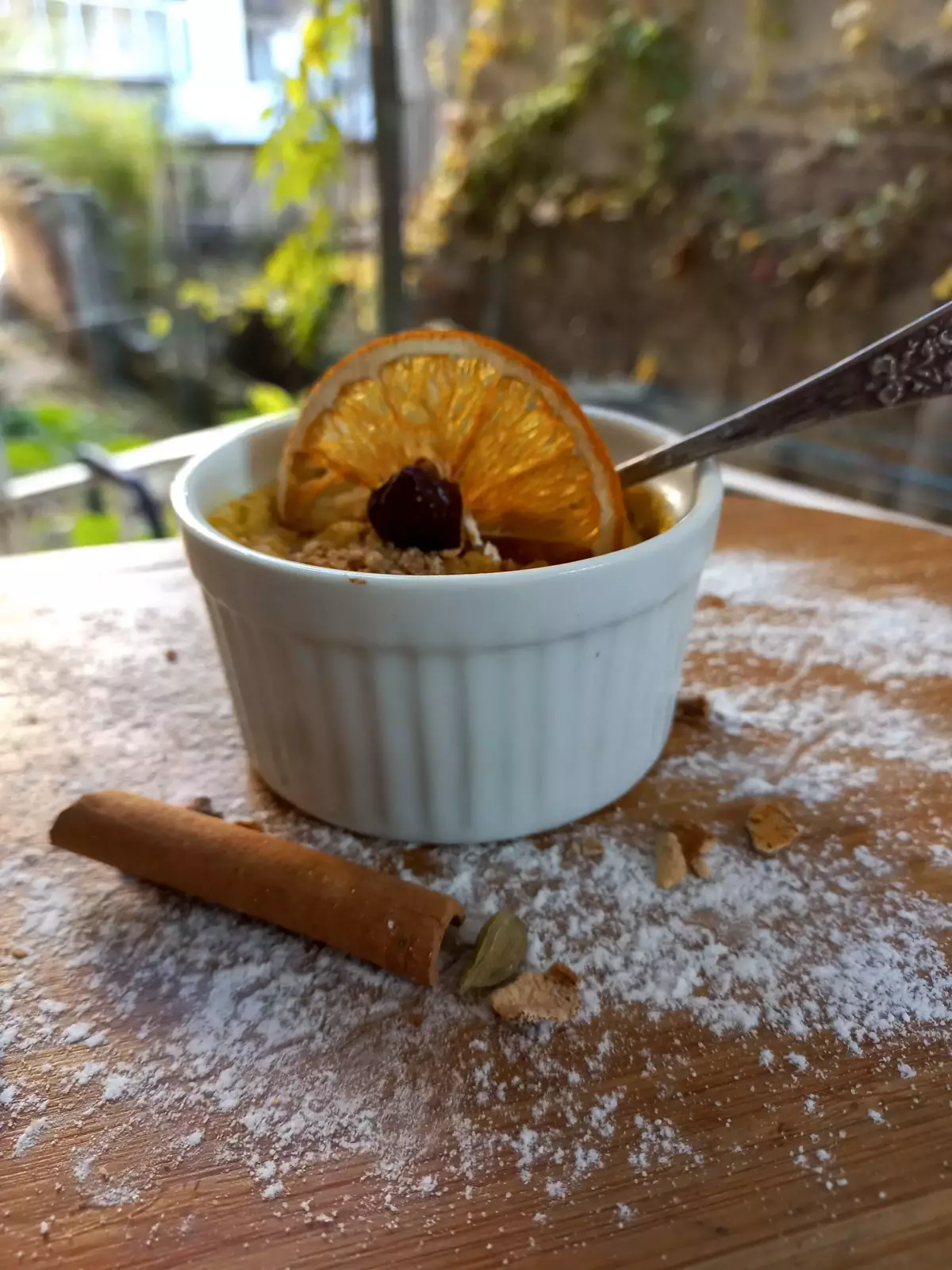
(From Olha Franko's book <em>Practical Kitchen</em>) The soufflé is an invention of French cuisine. The word « soufflé » means airy. This dish is known for its light and porous texture. The history of the soufflé dates back to the 17th century. It was invented by the chef of the French king Louis XVII. The king loved to enjoy this light dish at breakfast. …
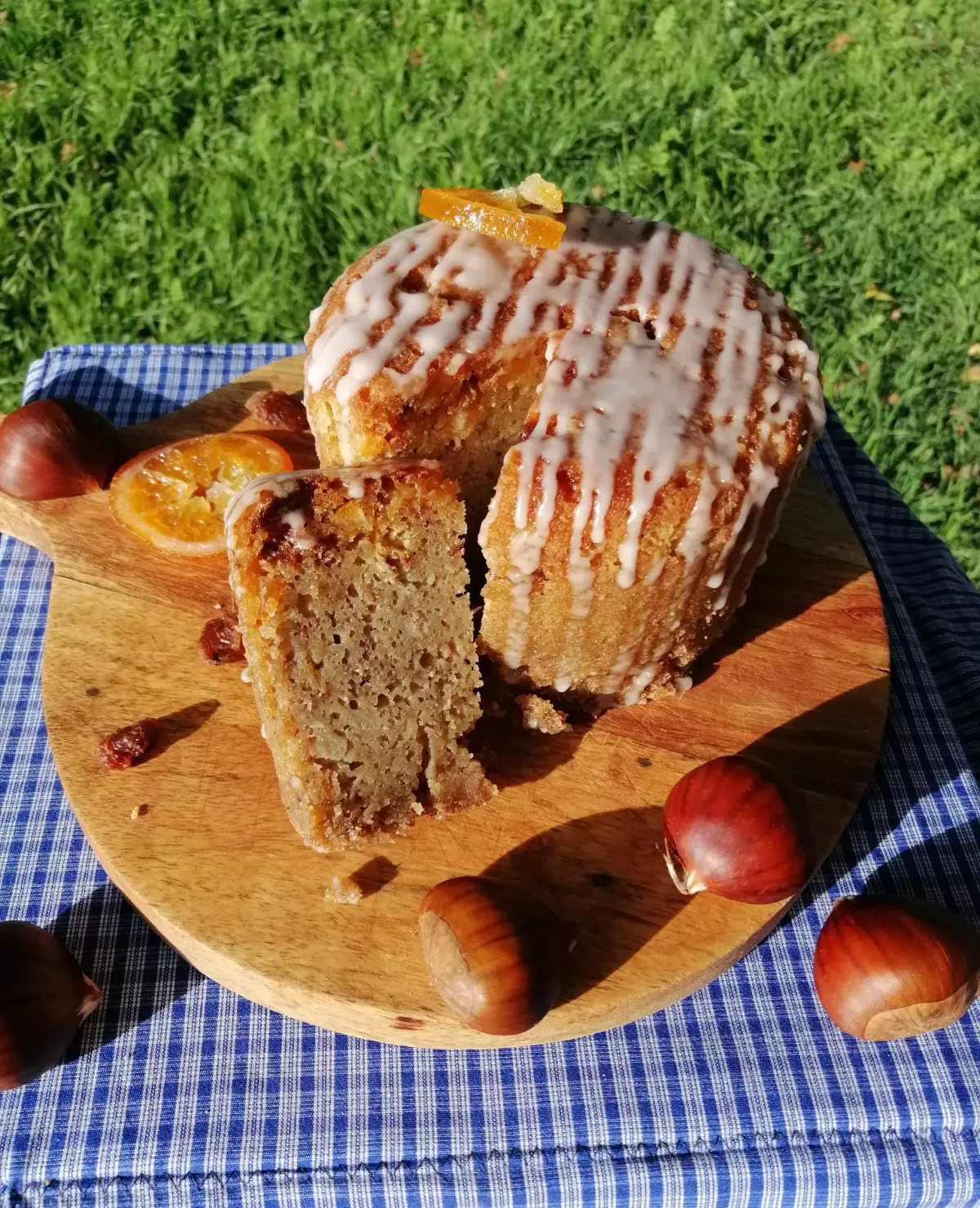
(From Olha Franko's book "Practical Kitchen") Chestnut pudding is one of the many varieties of English pudding. The earliest puddings were savoury and served as a main course. Sweet versions, offered as dessert, came along later. They are prepared in the oven or steamed, served warm or cold, and eaten with vanilla ice cream, caramel, or …
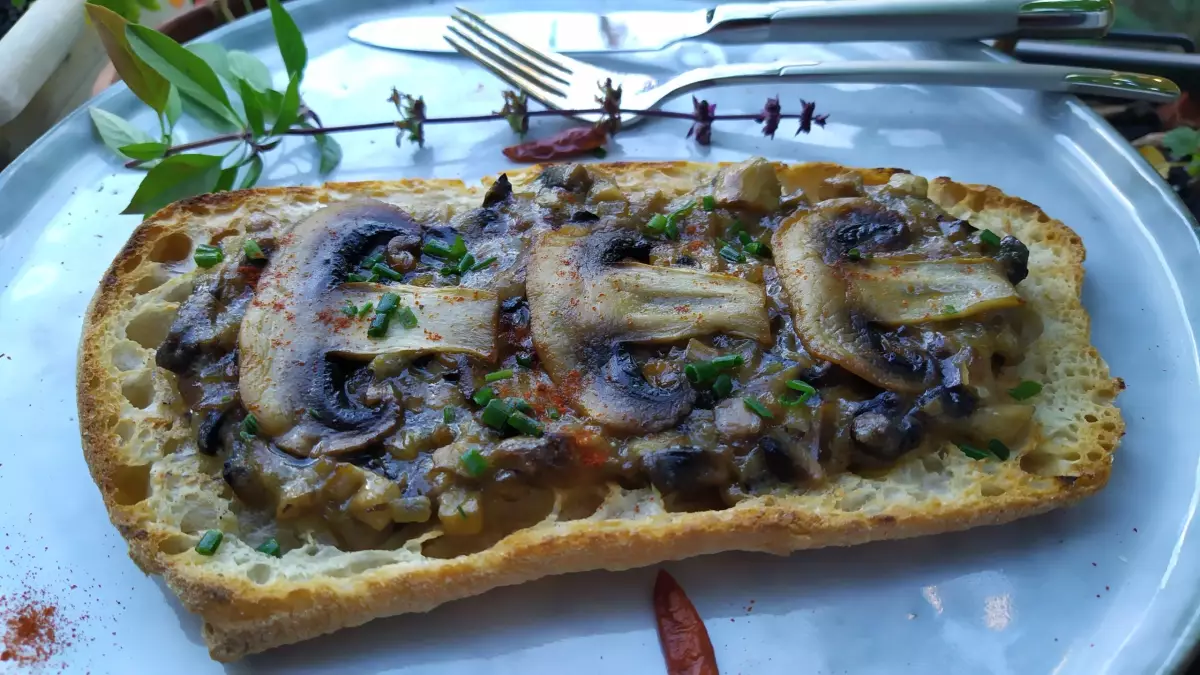
(From Olha Franko's book "Practical Kitchen", 1929) Ingredients Preparation
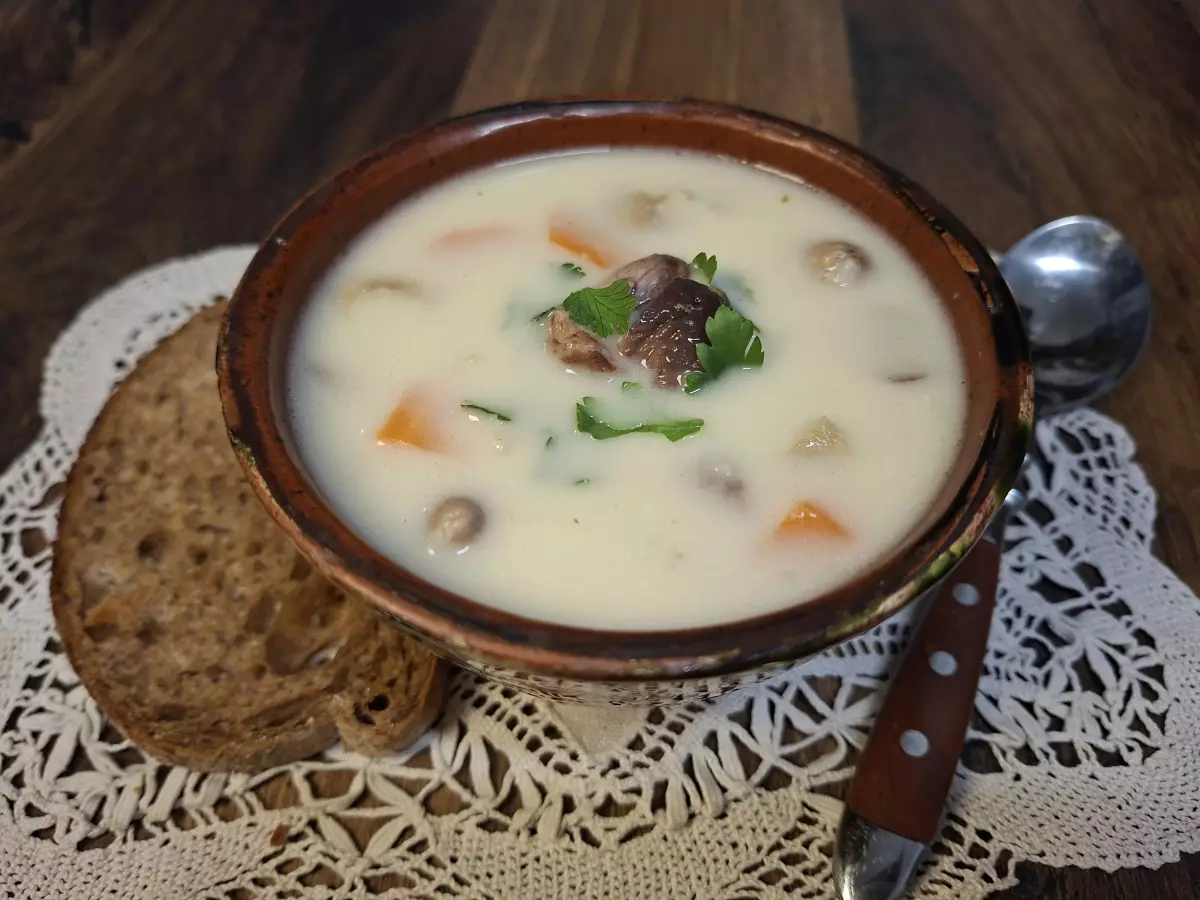
(From Olha Franko's book "Practical Kitchen", 1929.) We find virtually the same method of preparation in the cookbook by Lucyna Ćwierczakiewiczowa, « 365 obiadów za pięć złotych », published in Warsaw in 1860. There it goes by the name « Zupa biała ». The pearl barley is not simply added to the soup. It is cooked separately, worked together with butter and blended with sour cream — and only then stirred into the broth. …
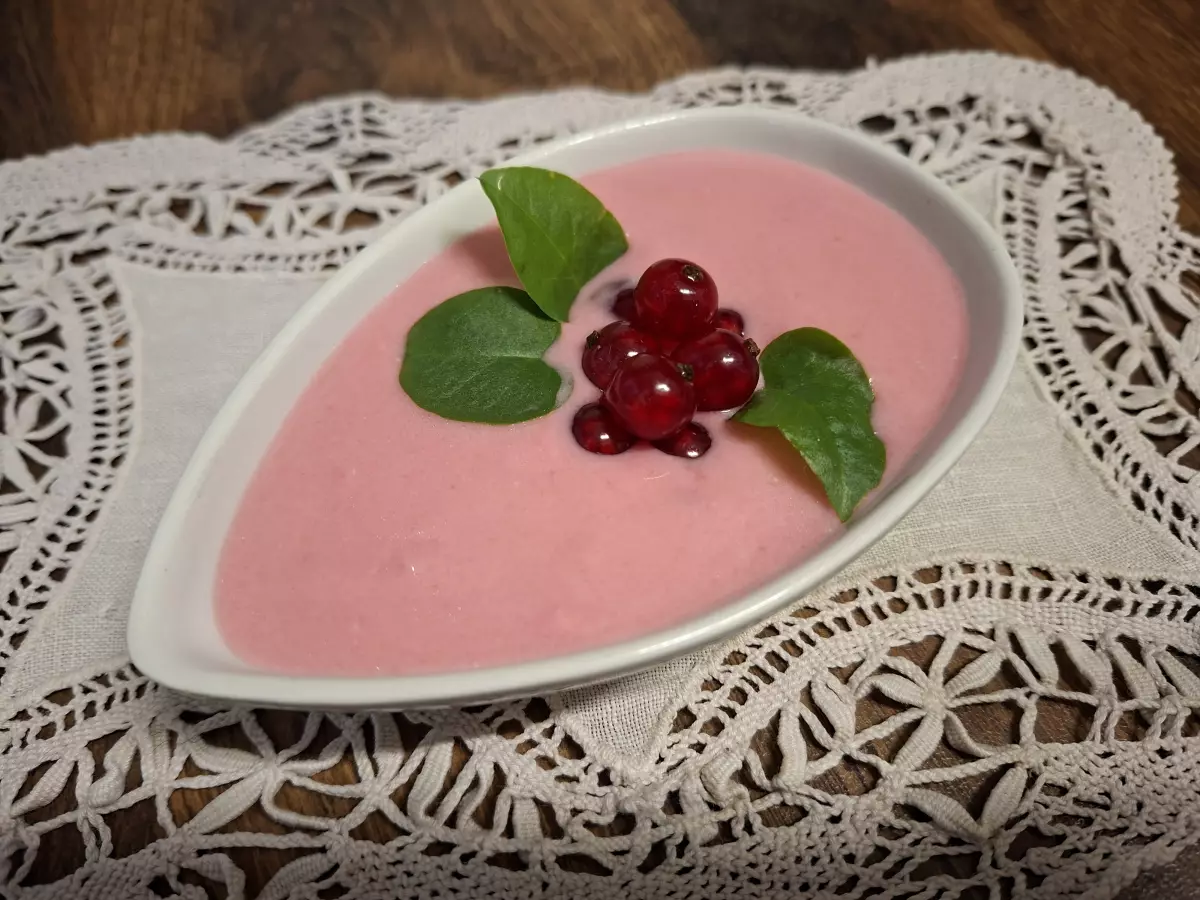
(From Olha Franko's book "Practical Kitchen", 1929) Ingredients Preparation
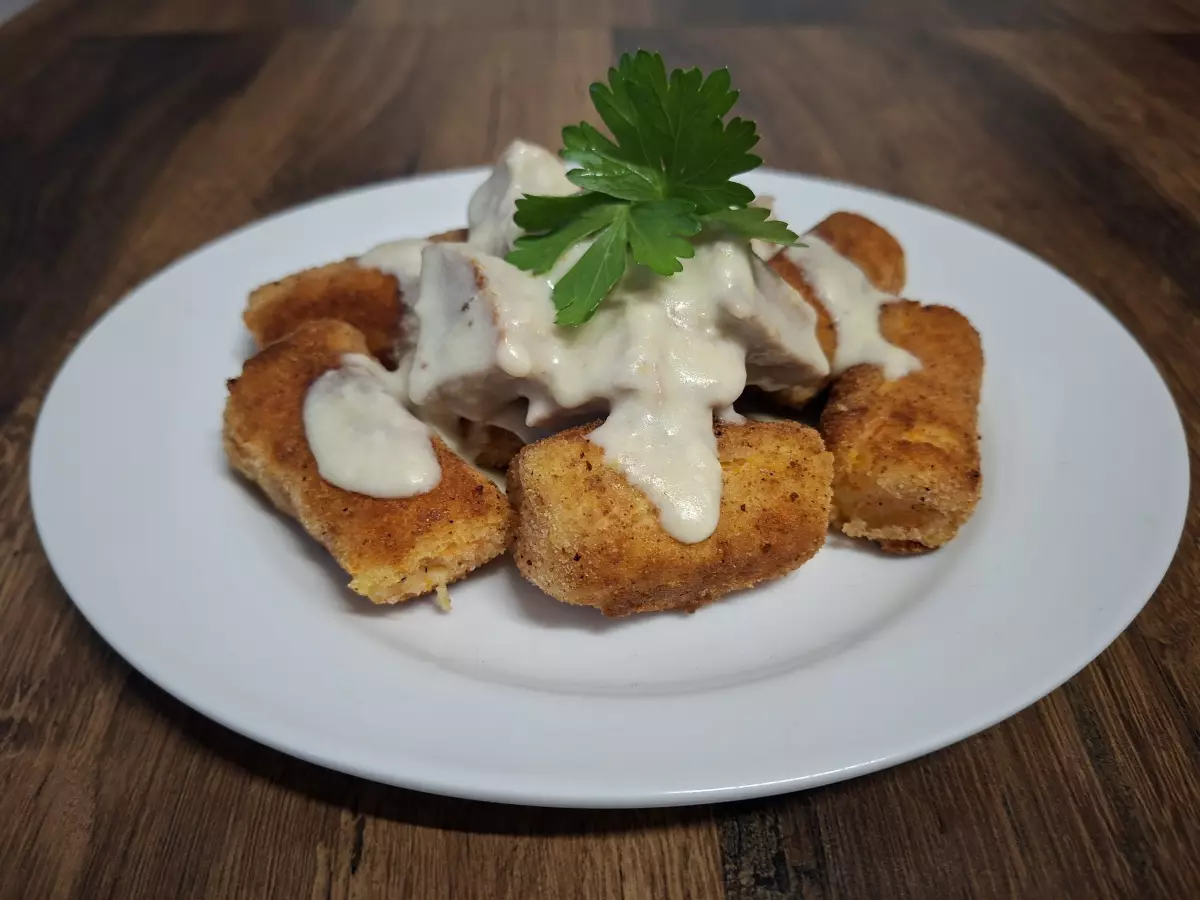
(From Olha Franko's book "Practical Kitchen", 1929) Ingredients Preparation Ingredients Preparation
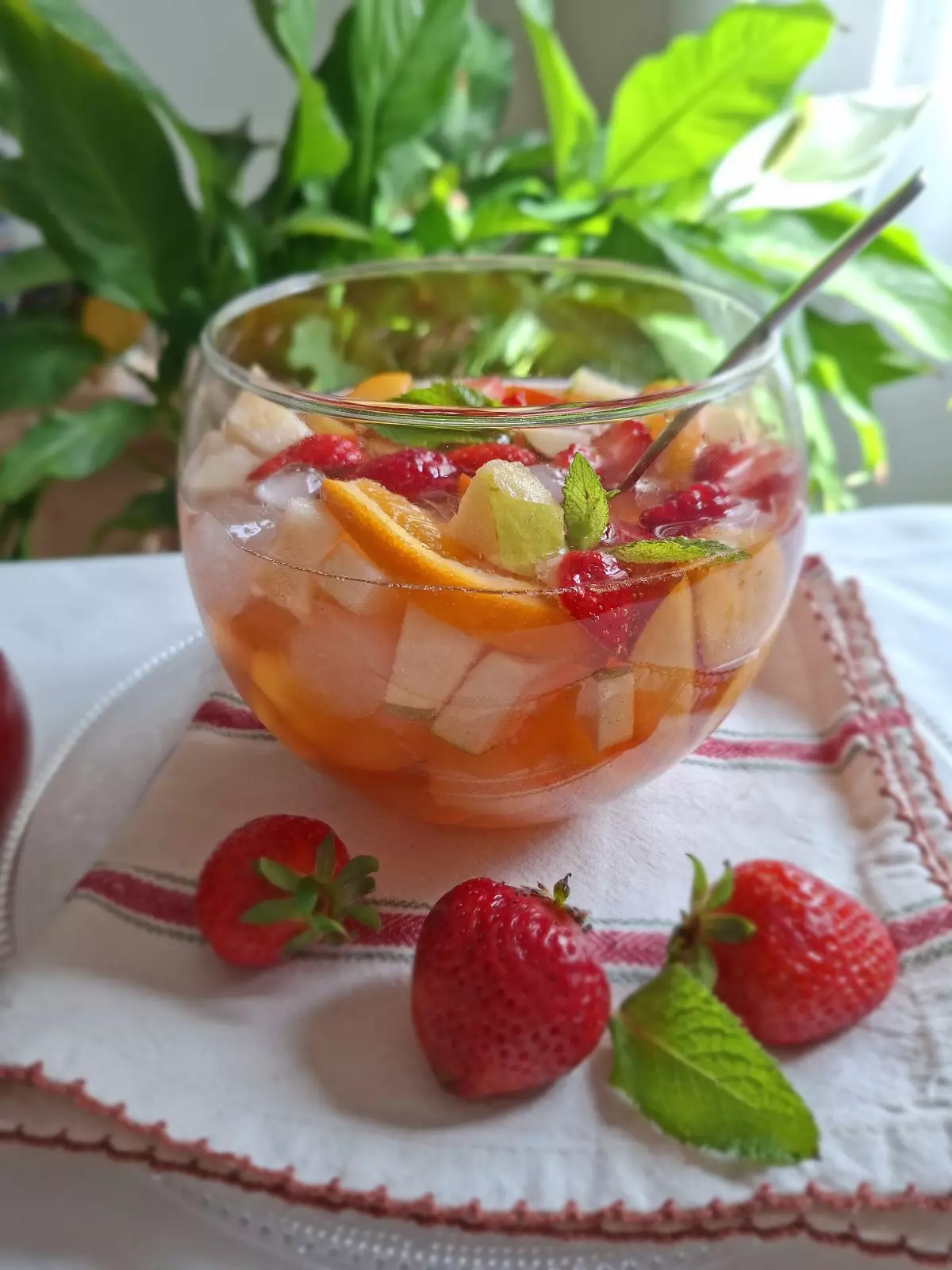
(From Olha Franko's "Practical Kitchen", 1929) Bowle, or <em>krushon</em>, is a festive fruit-and-wine punch. Its name comes from the German word Bowle — "large bowl." The earliest recipes appeared in the eighteenth century among German and French aristocracy. Wine formed the base, to which …
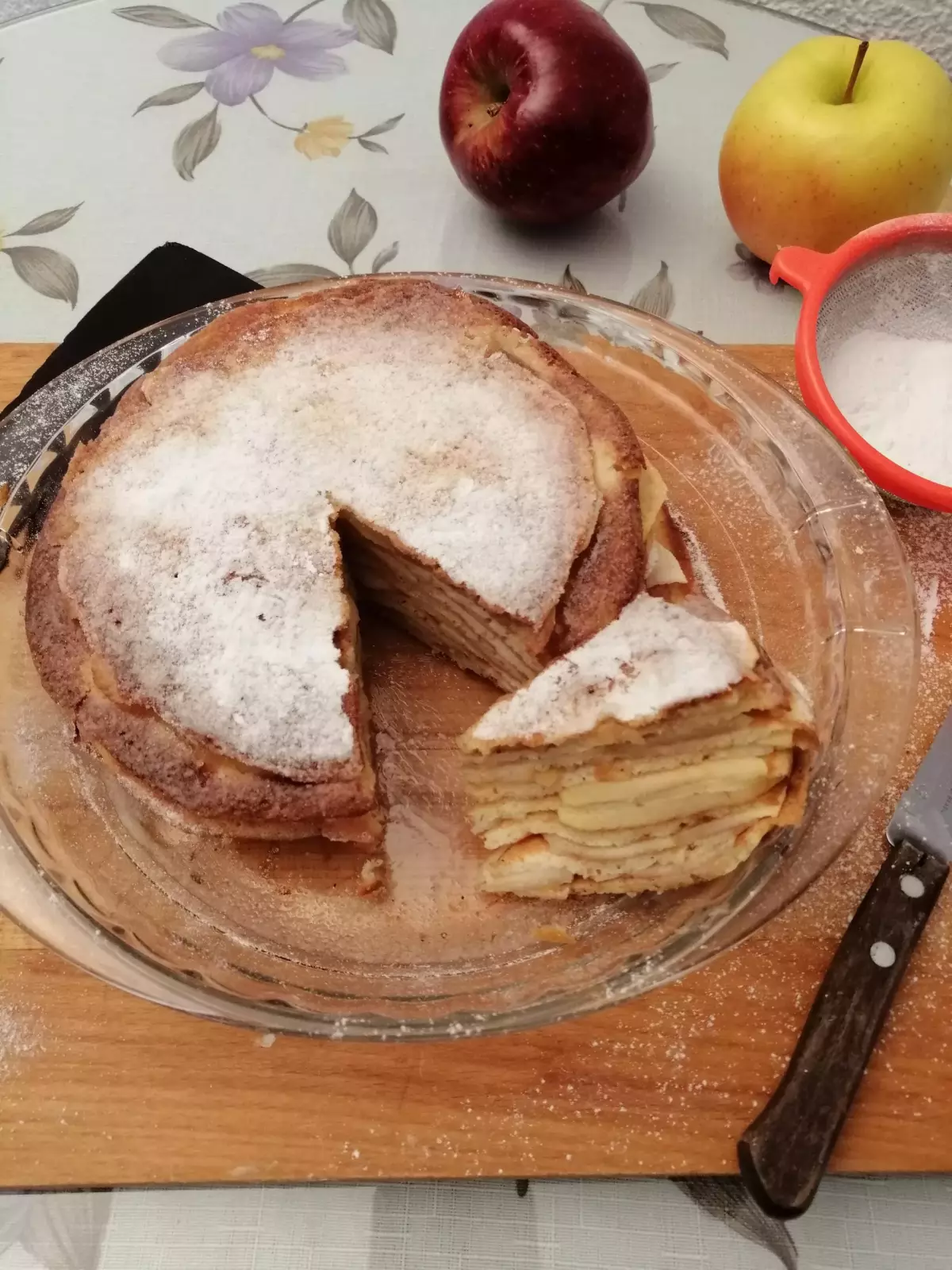
(From Olha Franko's book "Practical Kitchen") Korovai of crêpes is a layered pancake cake with apples. Its recipe can be found in cookbooks from the early 19th century. This easy-to-make dessert was very popular among country folk. On August 19th, Christians celebrate <em>Yabluchnyi Spas</em> (Apple Saviour's Day), and according to tradition…
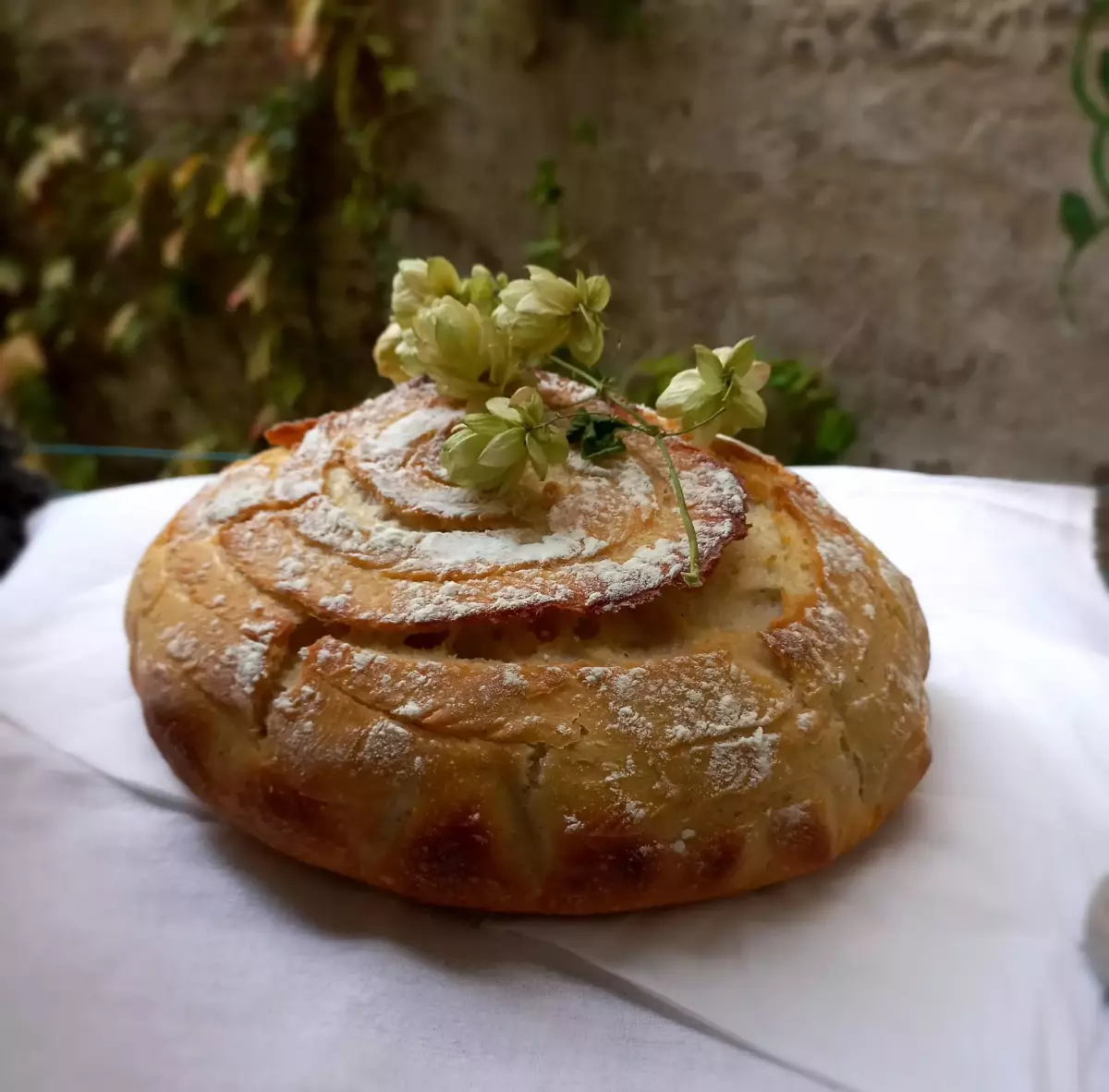
(From Olha Franko's book <em>Practical Kitchen</em>) Since time immemorial, long before commercial baker's yeast was known, bread was kneaded using a sourdough starter made from hop cones. Such bread stayed fresh for a long time, had a lovely aroma, and a wonderful flavour. The tradition of baking bread with a hop starter has survived in some monasteries. Approximately …
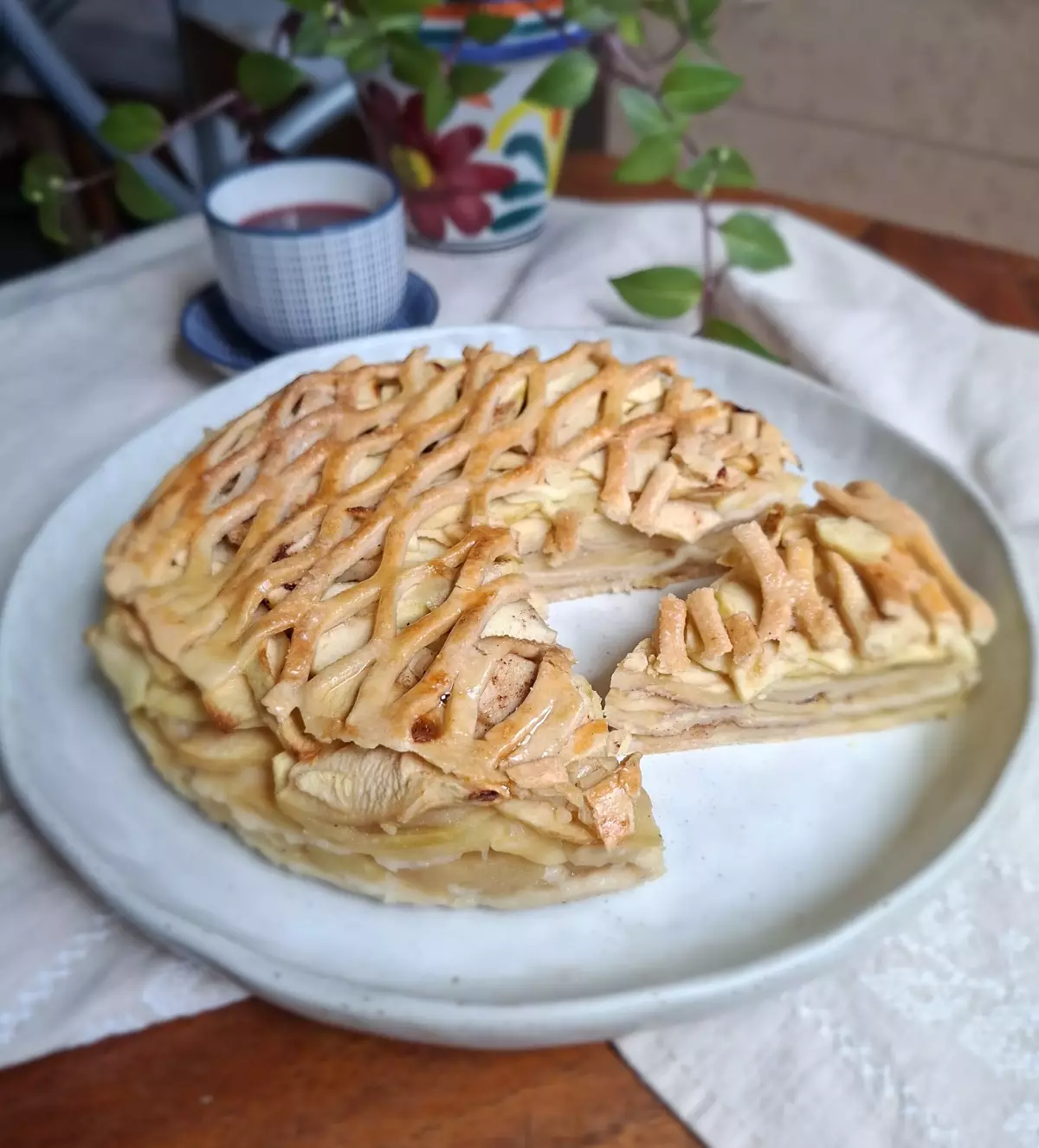
(From Olha Franko's book "Practical Kitchen") Apple pie has been known since the Middle Ages and the Renaissance. Apple pies appear in English, French, Italian, and German recipe collections. Interestingly, a recipe for apple pie using the same pastry as in this transcription can be found in the book «The Forme of Cury» …